- Success Stories
- LearnThe Resource Library: guides, articles, stories


Looking for help with
Most searched
Also common
Everything else
Joints & mobility
Immune & breathing
Injury & recovery
Legs, hooves & joints
Gut & breathing
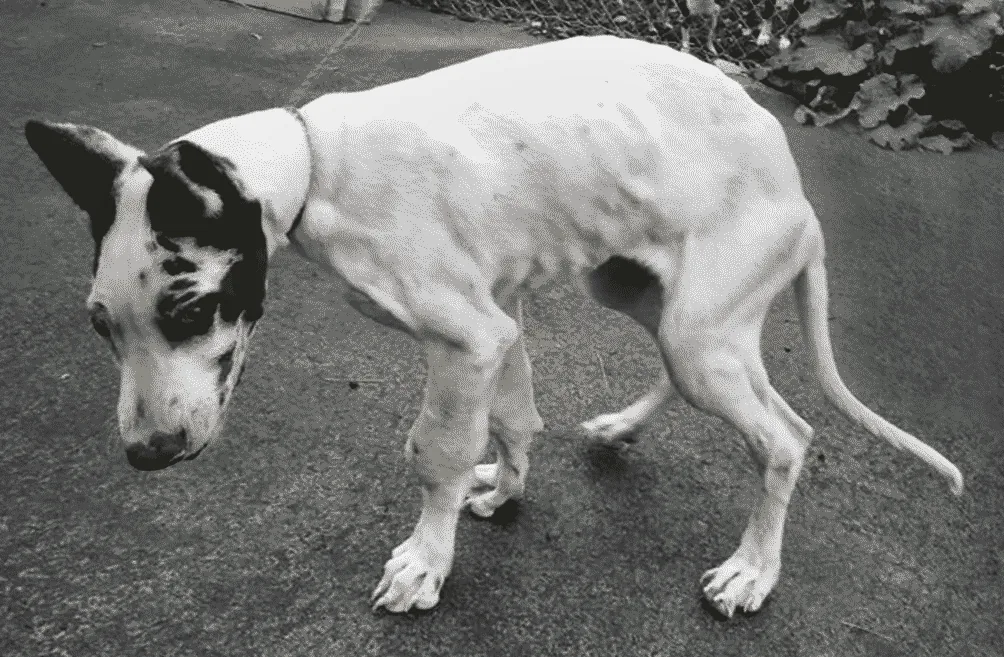
A big-breed puppy's joints swell up, the pain is obvious, and the vet says HOD. It is a growth disorder, and more often than not the food and the feeding are where it started.
HOD stands for hypertrophic osteodystrophy. It is one of several developmental orthopedic problems that show up in dogs raised on modern, man-made diets. The name refers to swollen joints, where the swelling is tied to irregular growth of the long bones. In a true case the cause is almost always incorrect or unbalanced nutrition: the long bones develop out of balance, and one result is swollen, painful joints that can leave a young dog anywhere from sore to unable to stand.
It arrives in a narrow window. The typical case is a large or giant-breed puppy between 3 and 6 months old, the critical period of fast, uneven growth. Vets see it expressed in the joints: the growth plates of the front and back legs become inflamed and swollen. In the later stages, a dog cannot walk or even stand without assistance. It is generally thought of as a big-breed problem, though smaller dogs can be affected too.
Not every swollen joint is HOD. There are four situations where a young dog's swollen joints may be diagnosed as, or put down to, HOD. One is the real thing: nutrition. The other three create HOD-like symptoms, the same painful, swollen joints and the same loss of movement:
Each can mimic the developmental form of HOD. If your pup's joints swelled within days of a shot or a prescription, tell your vet; it changes what you are dealing with.
Intake versus output. HOD tied to nutrition is most often caused by a poor-quality diet, by over-supplementation, or by a puppy taking in more calories than its daily exercise burns. Linda Arndt, the Great Dane Lady, studied this in large breeds for years and showed that these puppies are meant to be lean through their first two years of growth, and are usually over-fed instead.
What to feed. A holistic or super-premium food with moderate protein, 22 to 24%, and moderate fat, 12 to 15%, with quality minerals, fed in moderate measured amounts. That alone goes a long way toward avoiding HOD in a growing big-breed pup. Our recommended foods guide shows what to look for, and diet is the first thing we go over on a consultation.
For the full feeding programs, Linda Arndt's site is still the best place to read: her Blackwatch feed program for large and giant breed puppies (prevention), the Blackwatch feed program for HOD puppies (correction), and her guide to recognizing bone diseases.
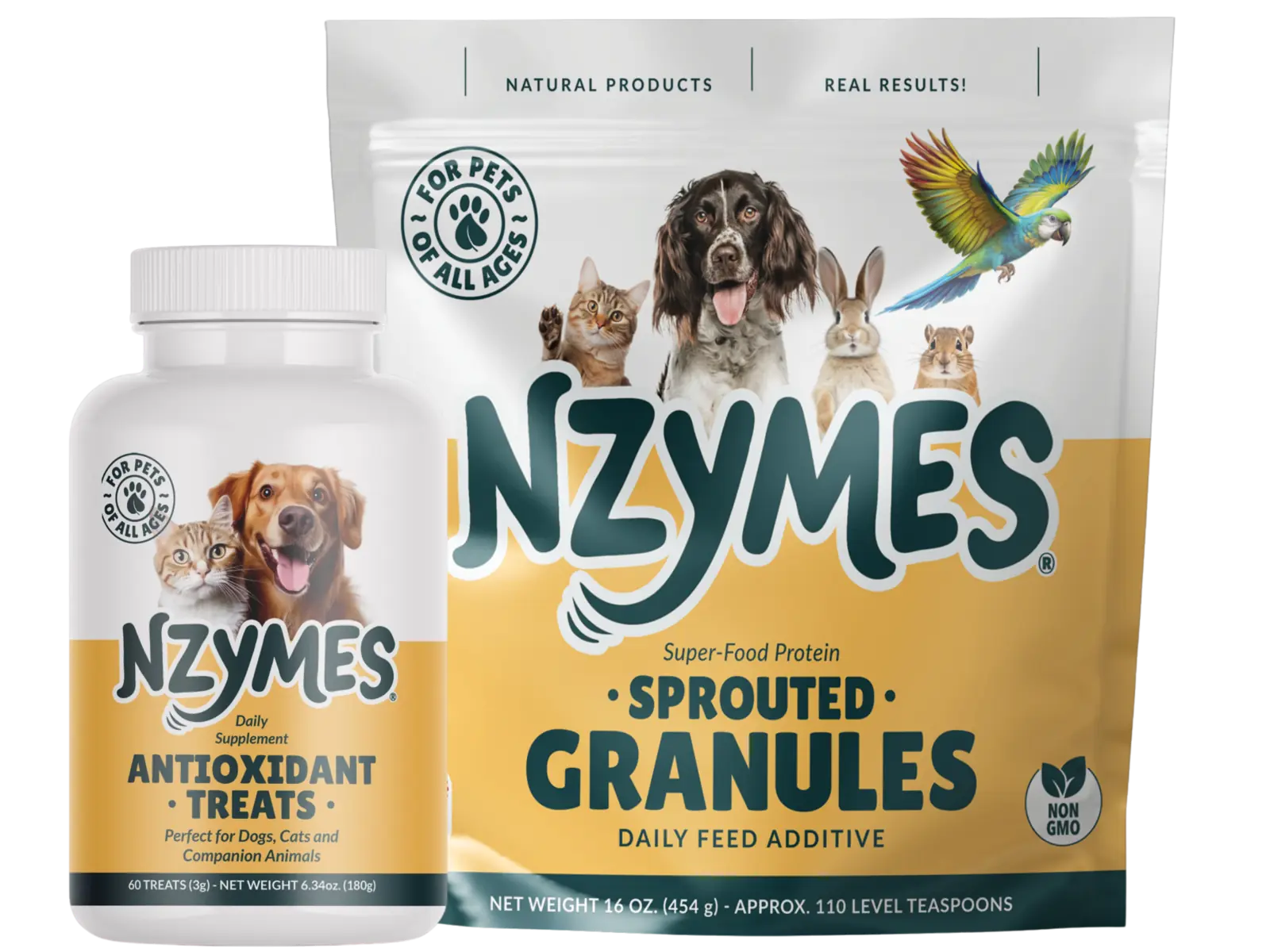 The Core FoundationSee the Core Foundation →Antioxidant Treats and Sprouted Granules together. Daily super-food nutrition for a pup whose bones are growing faster than the rest of him.
Super-food protein for a body growing too fast. Nzymes is an ideal supplement for a dog with the potential for growth problems, and for one already showing bone-growth issues or the painful joints of HOD. We have seen dozens of cases where simple daily supplementation helped the body turn things in the right direction and settle into the growth pattern a big-breed dog needs. Years of watching bone growth in large breeds have shown how well Antioxidant Treats or Sprouted Granules support the body's ability to stabilize growth, shoulder and hip height, and balance. Used along with a change in diet and a close eye on how much is being fed, they can provide significant help with reversing the growth issues behind HOD in a young puppy.
Not sure whether it's HOD, pano, or a reaction to something? Book a free consultation.
Hypertrophic osteodystrophy: swollen, painful joints in a young dog, caused by irregular growth of the long bones. It is one of several developmental orthopedic problems seen in dogs raised on modern, man-made diets, and incorrect or unbalanced nutrition is the usual cause of a true case.
Typically in large and giant-breed puppies between 3 and 6 months old, the critical window of fast, uneven growth. The growth plates of the front and back legs become inflamed and swollen; in later stages a pup may be unable to walk or stand without help.
Three things produce the same swollen, painful joints: septicemia, a reaction to vaccines, and an allergic reaction to antibiotics. Each can be mistaken for true developmental HOD, so tell your vet about any recent shots or prescriptions.
It is generally assumed to be a large or giant-breed problem, but smaller dogs can be affected too.
Change the food first: a holistic or super-premium diet with moderate protein (22 to 24%) and moderate fat (12 to 15%), quality minerals, fed in measured amounts. Add Nzymes Antioxidant Treats or Sprouted Granules daily. Not sure where to start? Book a free consultation.
Tell us the breed, the age, what the food is, and which joints are swollen. A free half hour with the people who have walked hundreds of families through this.
The consultation is a scheduled half hour with the people who have walked hundreds of families through this, so you get real time and real answers. It's free, and it always will be.