- Success Stories
- LearnThe Resource Library: guides, articles, stories


Looking for help with
Most searched
Also common
Everything else
Joints & mobility
Immune & breathing
Injury & recovery
Legs, hooves & joints
Gut & breathing
It would be normal to assume that horses just shouldn't get diarrhea. It isn't a common issue, but when it happens it can become a problem, ranging from slightly loose stools to very runny, watery, and frequent ones. It isn't always a huge cause for concern, but it's good to know what can cause it.
A change to the diet, the stress of trailering, or new barn accommodations can bring on a bout of mild diarrhea, and that's generally not a big deal. But when a horse has toxins, sand, parasites, bacteria, or viruses in the gut, diarrhea can rapidly become much more serious.
Just like with humans, dogs, or cats, diarrhea in a horse isn't always alarming on its own. What matters is knowing the common causes, and noticing when something more is going on.
Something as simple as a new feed the horse isn't used to, or overfeeding of the regular feed, can set it off. Prolonged access to lush green pasture can wreak havoc on a horse's digestive system too. The corrective step is the same as with colic: make feed changes gradual.
Plants toxic to horses, such as ragwort, acorns, buttercups, red or white clover, and horse-nettle, can cause diarrhea to rear its ugly head. Inflammatory bowel disease (IBD), where abnormal cells take over the lining of the intestine, can cause chronic diarrhea in a horse just as it does in humans.
Small strongyle larvae burrow into the intestinal walls, typically late winter to early spring. As the weather warms they emerge all at once, the gut walls leak protein-rich fluid, and diarrhea follows. It's the larvae, not the adults. Prevention is as simple as keeping your horse's area clean and removing manure piles frequently.
Diarrhea in a horse may not always be a cause for concern, but it should never be overlooked. If it's happening frequently, or showing up alongside other symptoms, get your horse checked out by a vet as soon as possible.
One very positive step is to supplement the horse's body with good bacteria. Active probiotic cultures can reduce the severity and duration of a compromised GI tract.
Bac-Pak Plus was created for nutritional supplemental use with animals of all ages, designed to help optimize your horse's digestive tract and immune system. For pennies a day, your horse gets the support of a highly concentrated blend of digestive enzymes and direct-fed microbials, the friendly bacteria a working gut runs on.
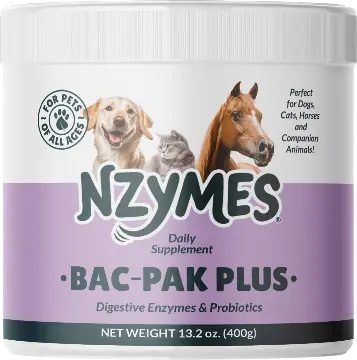
We created the 400 g tub of Bac-Pak Plus with horse owners in mind, along with large-breed dogs, multi-pet households, and working farms. One small daily scoop in the feed keeps the gut's friendly bacteria stocked.
Diarrhea is the gut asking for help.
Good flora is the answer it's hoping for.
Not necessarily. A change of feed, the stress of trailering, or new barn accommodations can bring on a mild bout, and that generally resolves on its own. What earns real attention is diarrhea that's frequent, watery, or showing up alongside other symptoms; then get your horse checked out by a vet as soon as possible.
Yes, and it's one of the most common causes. A feed the horse isn't used to, overfeeding of the regular feed, or prolonged access to lush green pasture can all wreak havoc on the digestive system. The fix is the same as with colic: make every feed change gradual.
Ragwort, acorns, buttercups, red and white clover, and horse-nettle are the usual offenders. If diarrhea keeps returning and the feed hasn't changed, walk the pasture and fence lines before you assume it's a mystery.
Active probiotic cultures can reduce the severity and duration of a compromised GI tract. Bac-Pak Plus pairs those friendly bacteria with digestive enzymes to help optimize your horse's digestive tract and immune system, for pennies a day. For a horse, the 400 g tub is the practical size.
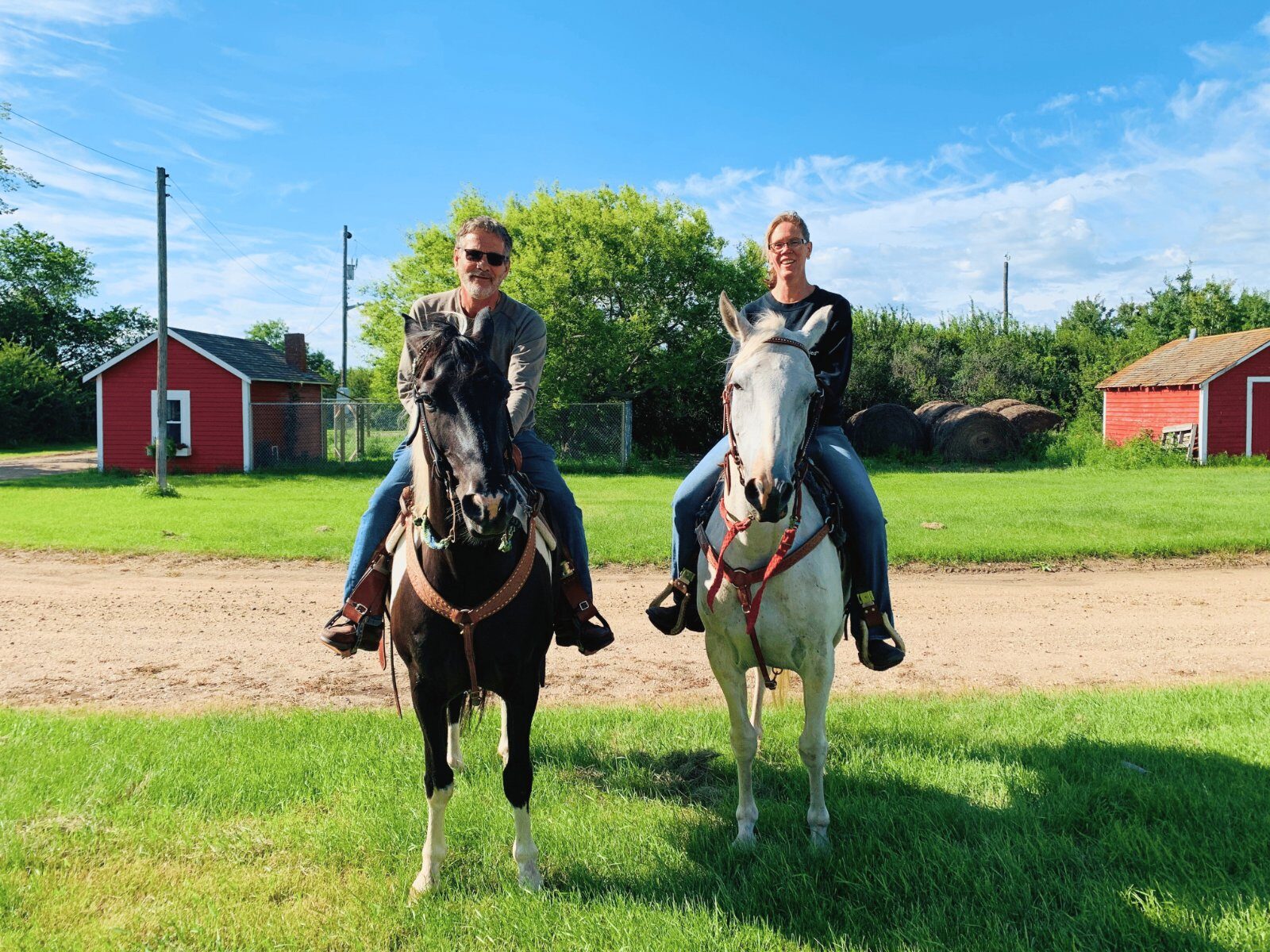
Kara is the equine specialist on our customer care team, and she keeps her own herd on a farm in Saskatchewan. Tell her what you're seeing, what you're feeding, and what worries you, and she'll tell you honestly where to start. Read Kara's story →
The consultation is free, and it always will be.
1-877-816-6500 · Orders & quick questions