- Success Stories
- LearnThe Resource Library: guides, articles, stories


Looking for help with
Most searched
Also common
Everything else
Joints & mobility
Immune & breathing
Injury & recovery
Legs, hooves & joints
Gut & breathing
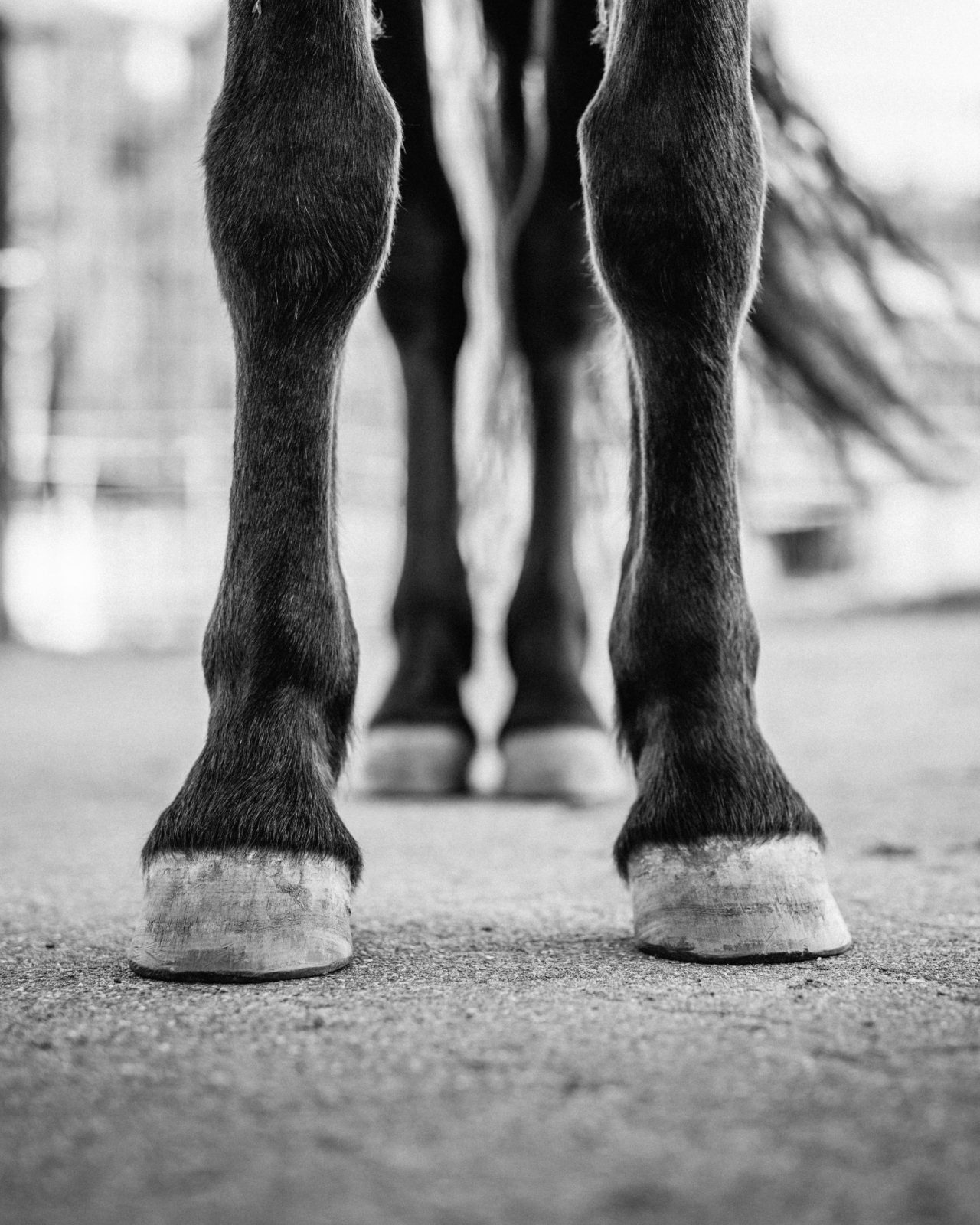
Have you wondered why your horse was completely normal yesterday, but today won't put any pressure on their foot? No apparent leg or hoof issue, no injury, just sudden and painful lameness. One possibility is a hoof abscess.
Hoof abscesses happen when bacteria get stuck between the sensitive laminae, the tissue layer that holds the hoof capsule to the coffin bone, and the hoof wall or sole. The bacteria create pus, an infection that quickly builds up and applies pressure behind the sole or division of the hoof.
That pressure can become extremely painful, and cause extreme lameness in your horse overnight.
A puncture wound to the sole or hoof wall, or a pebble or rock lodged in it.
Shoeing nails that came too close to the laminae, or difficulties shoeing.
Laminitis, navicular disease, or a reaction to bruising.
Trauma to the soft layers of the hoof.
Contraction of the heels: heel bulbs grown too close together, forming a pocket.
Going from dry to wet ground conditions repeatedly, or standing in wet conditions for long periods.
For us humans, a pimple or boil would be the best comparison: the hoof abscess needs to be emptied. The most common strategy is to open it and let it drain. Some will even pop on their own, often after the pus travels up the hoof to the coronary band or heel bulbs. Naturally, it's easier for an abscess to break through via the path of least resistance, where the wall is thinner.
A vet can diagnose and drain the abscess if it doesn't pop on its own, and the best timing is within a 3-day window of onset. It can take 7 to 10 days to close after draining completely. You should see your horse feeling much more comfortable a few hours after the abscess is drained, but the soreness will continue for several days or weeks, depending on the severity.
Draining, soaking, bandaging, and keeping the hoof clean are crucial. Regular farrier care and a clean environment help prevent recurring abscesses. And don't leave the horse standing in wet pasture for prolonged periods; the feet and hooves need time to dry out.
For a deeper look at treatment, see this vet's guide: the Merck Veterinary Manual on hoof abscesses in horses.
Alongside the vet's work on the hoof itself, this is the internal and topical support we suggest. Double the Granules amounts during the first 2 weeks; doubling is important with any kind of injury issue.

| 600 to 750 lbs | 3 level tsp |
| 750 to 1,000 lbs | 4 level tsp |
| 1,001 to 1,250 lbs | 5 level tsp |
| 1,251 to 1,500 lbs | 6 level tsp |
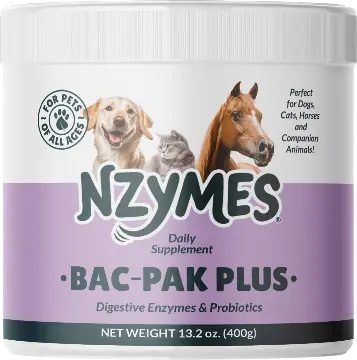
A powerful and cost-effective probiotic and digestive enzyme blend.
| 600 to 1,000 lbs | 2 to 3 one-gram scoops |
| 1,001 to 1,250 lbs | 3 to 4 one-gram scoops |
| 1,251 to 1,500 lbs | 4 to 5 one-gram scoops |
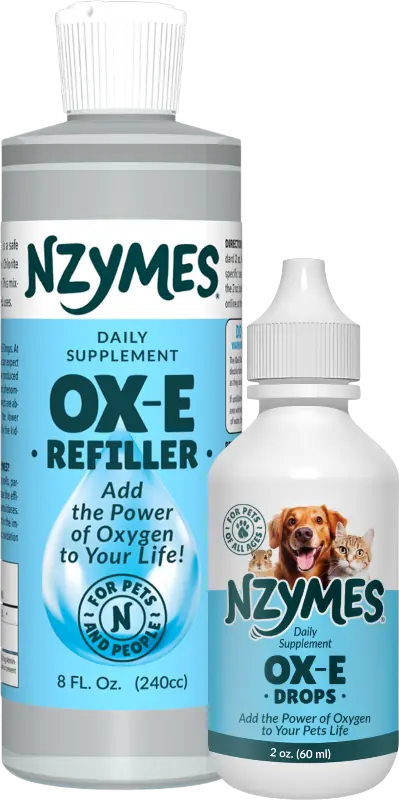
Give the horse 20 drops mixed in 8 to 10 cc's of water with a syringe. Squirt slowly along the teeth-line to avoid choking. Twice daily for internal anti-microbial support.
Note: the 8 oz Ox-E Refiller is the best fit for these issues with horses.
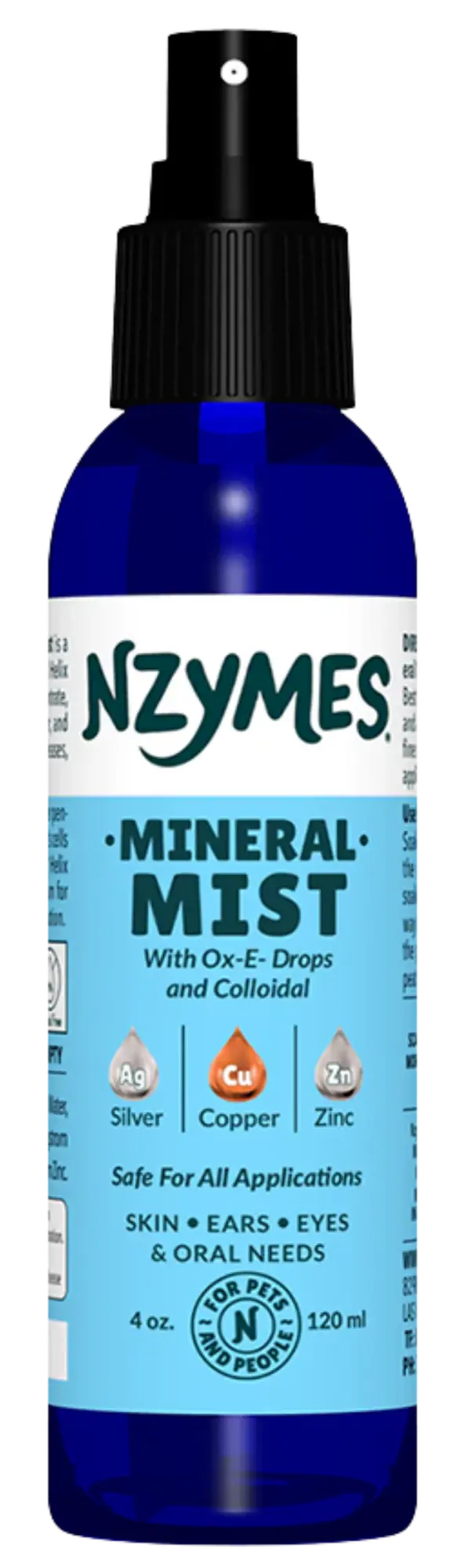
Three to four times daily, and before applying each new clean dressing, spray or sponge the Ox-E Mineral Mist onto the affected areas of the hoof or leg.
We believe you will have success, and the 120-Day Worry-Free Guarantee stands behind every product sold.
The vet drains the abscess.
You supply the recovery it draws on.
That's the signature of a hoof abscess. The infection builds pressure inside a hoof that has no room to give, so a horse that was fine yesterday won't bear weight today. The lameness looks dramatic precisely because the pressure has nowhere to go.
Some abscesses do eventually break out through the coronet band or sole, but waiting means days of real pain and pressure. Get your vet or farrier out to locate and drain it; relief usually follows quickly once the pressure is released.
Regular farrier care, a clean environment, and dry feet. Don't leave the horse standing in wet pasture for prolonged periods; hooves need time to dry out. Picking out the feet regularly also lets you catch a problem before it settles in.
Doubling is important with any kind of injury issue. It front-loads the enzyme support while the body has its biggest repair job to do, then you drop back to the standard amounts for your horse's weight.
The 8 oz Ox-E Refiller. At 20 drops twice daily, a horse works through the small concentrate bottle quickly, so the Refiller is the practical fit. And every product is backed by the 120-Day Worry-Free Guarantee.
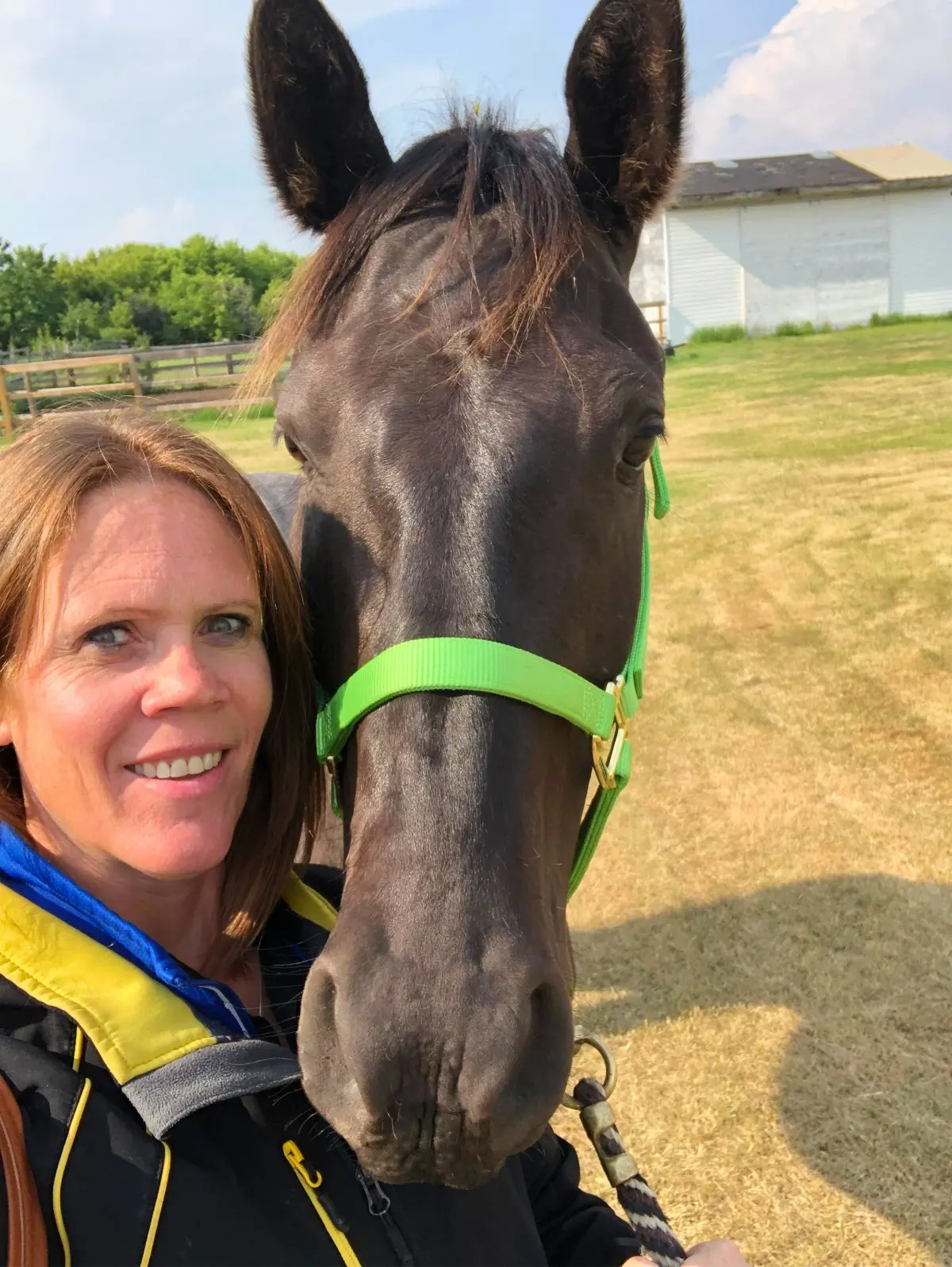
Kara is the equine specialist on our customer care team, she keeps her own herd on a farm in Saskatchewan, and she trims her own horses' hooves herself. Tell her what you're seeing and she'll tell you honestly where to start. Read Kara's story →
The consultation is free, and it always will be.
1-877-816-6500 · Orders & quick questions