- Success Stories
- LearnThe Resource Library: guides, articles, stories


Looking for help with
Most searched
Also common
Everything else
Joints & mobility
Immune & breathing
Injury & recovery
Legs, hooves & joints
Gut & breathing
Pneumonia takes various forms, but as an inflammatory illness of the lung it can be life-threatening for a horse, because it attacks the ability to pull oxygen out of the air.
Inside the lungs, tiny sacs do the work of collecting oxygen from every breath. With pneumonia, those sacs fill with fluid. Once saturated, they can't collect enough oxygen to support the horse's body, and a body deprived of oxygen long enough doesn't survive it. That's why this one is never a wait-and-see condition.
A horse showing the signs below should be examined promptly. Diagnosis often involves x-rays, sonograms, and sometimes inspection of mucus or phlegm expelled from the lungs and air passages. That's vet work, and the sooner it starts, the better.
The one piece of good news: pneumonia is not contagious from one horse to another. It can affect horses of any age, though it's more prevalent among foals and geriatric horses.
Viruses leave the respiratory system vulnerable, opening the door for pneumonia to develop.
Bacteria riding on inhaled dust from feed, bedding, stables, or working surfaces, carried into compromised airways.
A weakened respiratory system inhales fungal spores, usually from moldy, poor-quality hay or other sources.
Two of the three start the same way: in a respiratory system that's already weakened. You can manage the barn and the hay directly. The horse's own defenses are what the daily nutrition is for.
Clinical reference: Veterinary Clinics of North America, Equine Practice.
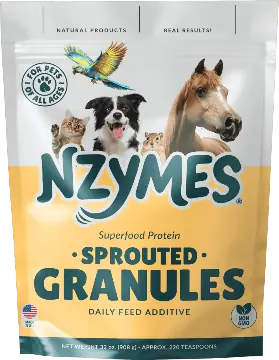
The live superfood that supports the immune system the lungs depend on, every day, in the feed.
| 600 to 750 lbs | 3 level tsp |
| 750 to 1,000 lbs | 4 level tsp |
| 1,001 to 1,250 lbs | 5 level tsp |
| 1,251 to 1,500 lbs | 6 level tsp |
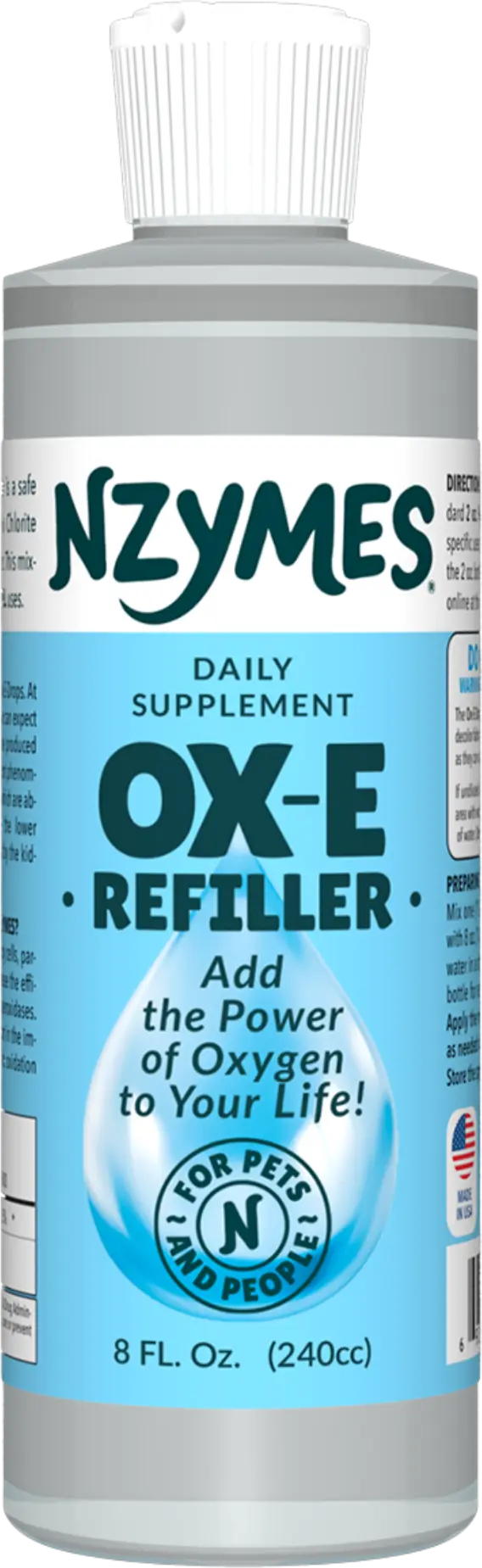
Add 20 drops to 10 to 15 cc of filtered water in a large oral syringe, and squirt slowly along the teeth-line so your horse can swallow comfortably. Naturally alkaline, supporting a healthy pH and immune function. For a horse, the 8 oz Refiller is the practical size.
Both are covered by the 120-Day Worry-Free Guarantee: up to four months to see the difference in your own horse. Bergen, an Arabian Paint who struggled for every breath with heaves, is the horse that brought Kara to Nzymes: read his story, in her words.
Breathing is the one job that never gets a day off.
Keep that system fed.
No. Pneumonia in horses is not contagious from one horse to another. It can affect horses of any age, though it's more prevalent among foals and geriatric horses.
Difficulty breathing, sneezing, wheezing, coughing, sputtering, weight loss, and green-tinted discharge from the nose. A horse showing these signs should be seen by a vet promptly; pneumonia can be life-threatening.
Viral is the most common, where viruses leave the respiratory system vulnerable. Bacterial comes from bacteria inhaled with dust from feed, bedding, stables, or working surfaces. Fungal usually occurs when a weakened respiratory system inhales spores from moldy, poor-quality hay.
Diagnosis often involves x-rays, sonograms, and sometimes inspection of mucus or phlegm expelled from the lungs and air passages. That's vet work, and it shouldn't wait.
Two products, given daily: Sprouted Granules support the immune system the lungs depend on, and Ox-E Drops given orally support a healthy pH and immune function. Both are covered by the 120-Day Worry-Free Guarantee.
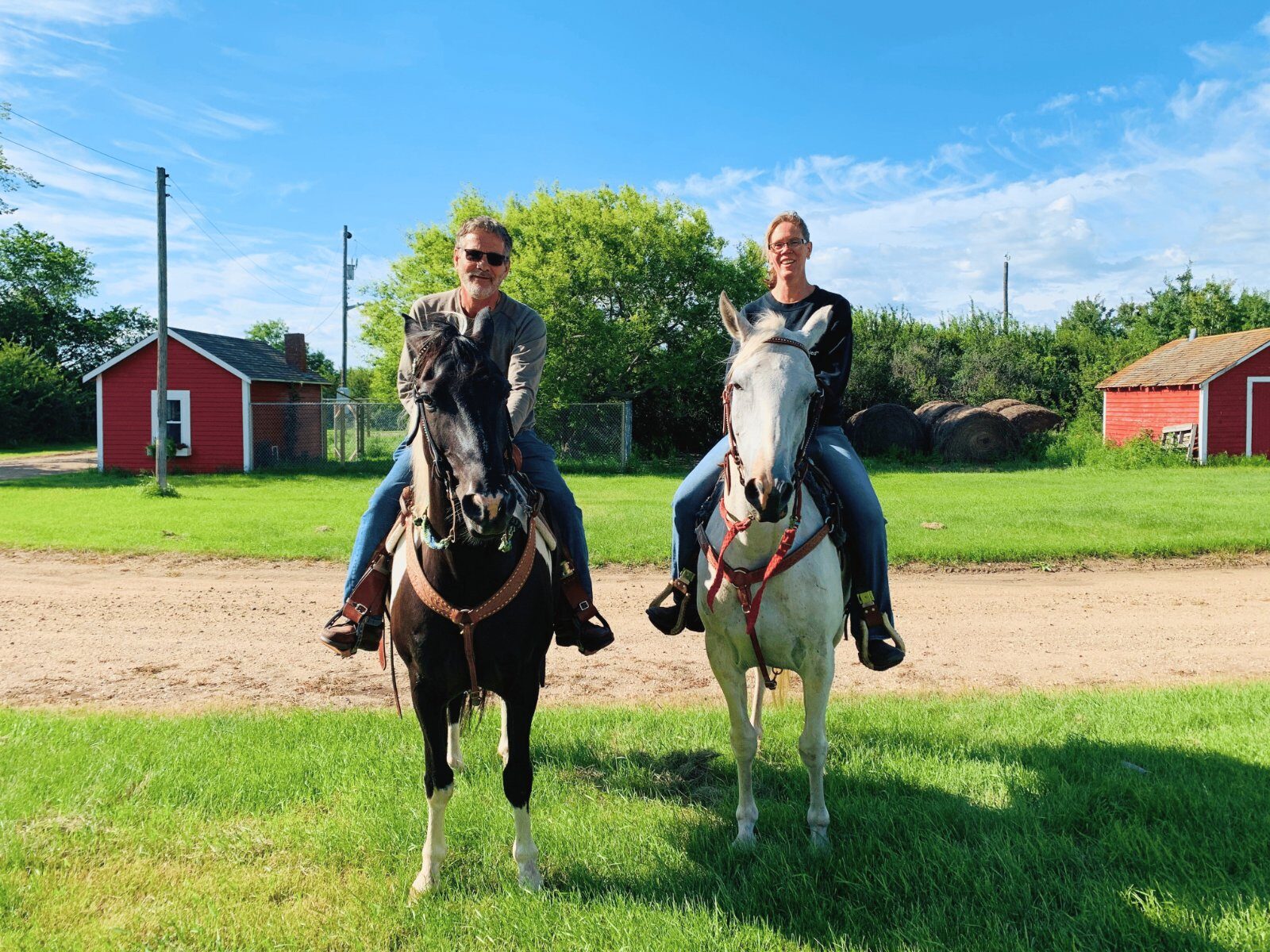
Kara is the equine specialist on our customer care team, and Bergen, the horse in the story above, is hers. Tell her what you're hearing and seeing, and she'll tell you honestly where to start. Read Kara's story →
The consultation is free, and it always will be.
1-877-816-6500 · Orders & quick questions