- Success Stories
- LearnThe Resource Library: guides, articles, stories


Looking for help with
Most searched
Also common
Everything else
Joints & mobility
Immune & breathing
Injury & recovery
Legs, hooves & joints
Gut & breathing
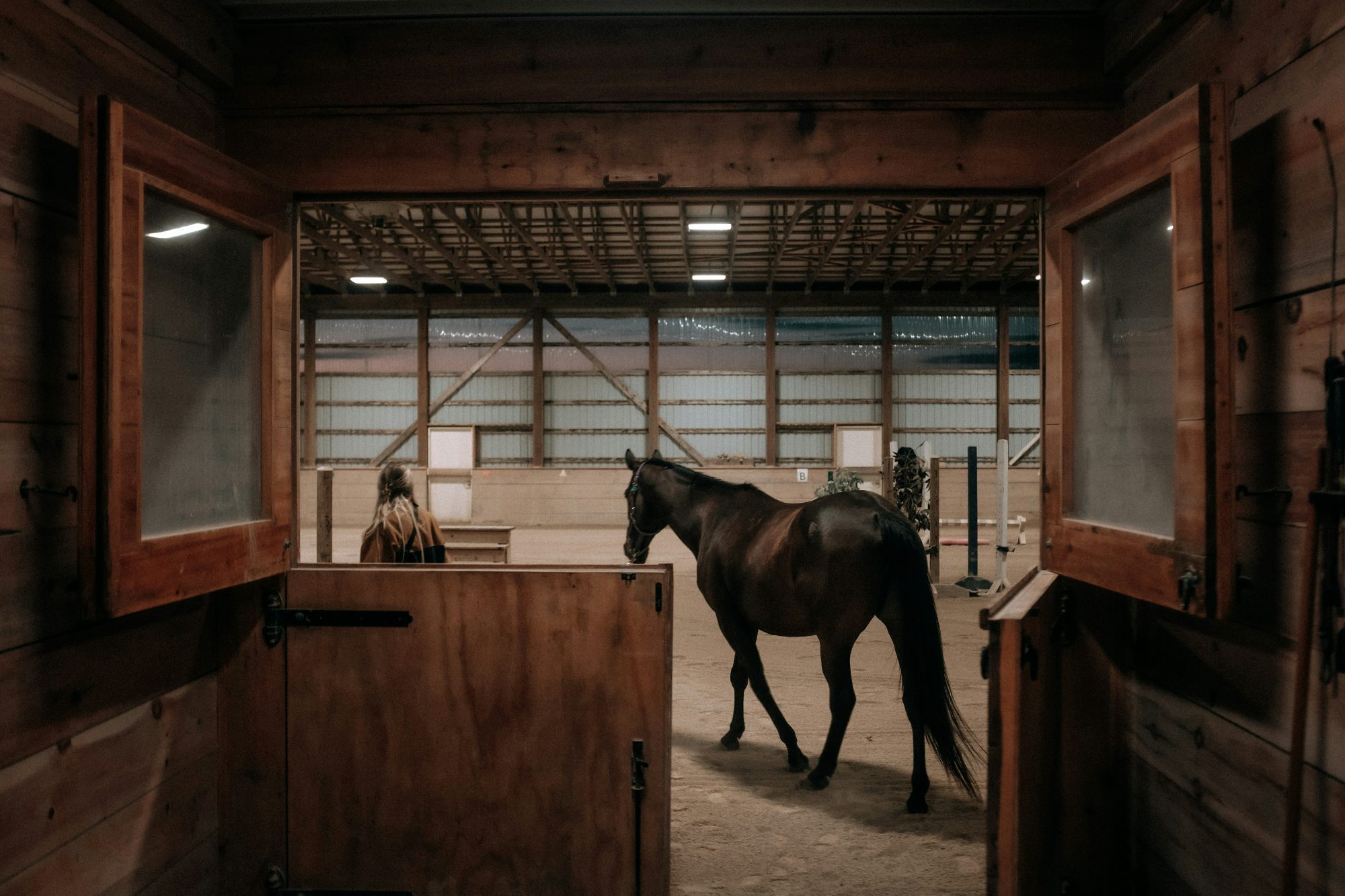
A cough that has settled in. Congestion you can hear across the stall. Breathing that looks like work. Respiratory trouble can reach a horse the same way it reaches a dog or a person, and the sooner you act, the better the odds of a full comeback.
Most respiratory trouble in horses announces itself: heavy congestion, a chronic cough, or a noticeable change in breathing performance, especially under work. Usually the cause is a virus carried on the air; sometimes it arrives by bacterial means instead. Either way, it needs dealing with, and sooner beats later.
The most serious of these conditions is pneumonia, where the impact on breathing becomes unmistakable. If that word is already on the table for your horse, we have a guide dedicated to it: Pneumonia in Horses: What to Know →. And with labored breathing, do not wait on a webpage. Call your vet right away.
The daily support we suggest for horses is built around Ox-E Drops, working from two directions at once. Taken internally, the drops deliver alkalinity support that promotes a healthier pH balance in the body. Breathed as a vapor, they carry that same support straight to the struggling airways. Around those two, the Sprouted Granules feed the body while it repairs, and Bac-Pak Plus joins the program when antibiotics have been part of the story.
Step one, the daily oral dose. Add 20 drops of Ox-E Drops Concentrate to 10 to 15 cc of filtered water in a large oral syringe. Squirt the mixture slowly along the horse's teeth line, so they can swallow at their own pace without choking. Once a day at minimum; in tougher cases, twice.
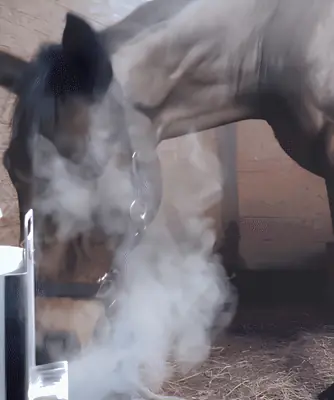
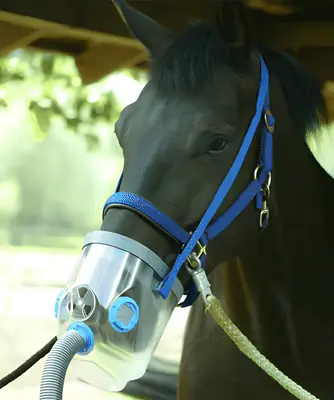
Step two, the vapors. Add 40 to 80 drops to a cool-mist humidifier or steam vaporizer, depending on how severe the condition is, and let the horse breathe the vapors in a closed space for 15 to 20 minutes, 4 to 5 times a day.
With a dog this step is easy. A small room or a covered kennel keeps the vapors where the breathing is. A horse asks for some creativity: tent the head area, or use the smallest enclosure you can manage, such as a closed stall, so the vapors have nowhere to go but in. It takes some fussing, but it's worth the fuss. The vapors are a central part of the program, not an optional extra.
In some cases a nebulizer or atomizer is the more effective way to deliver the vapors. The drop counts change because the vapor is more concentrated, so book a free consultation for specific instructions before you start.1-877-816-6500. You'll find our staff eager to help.
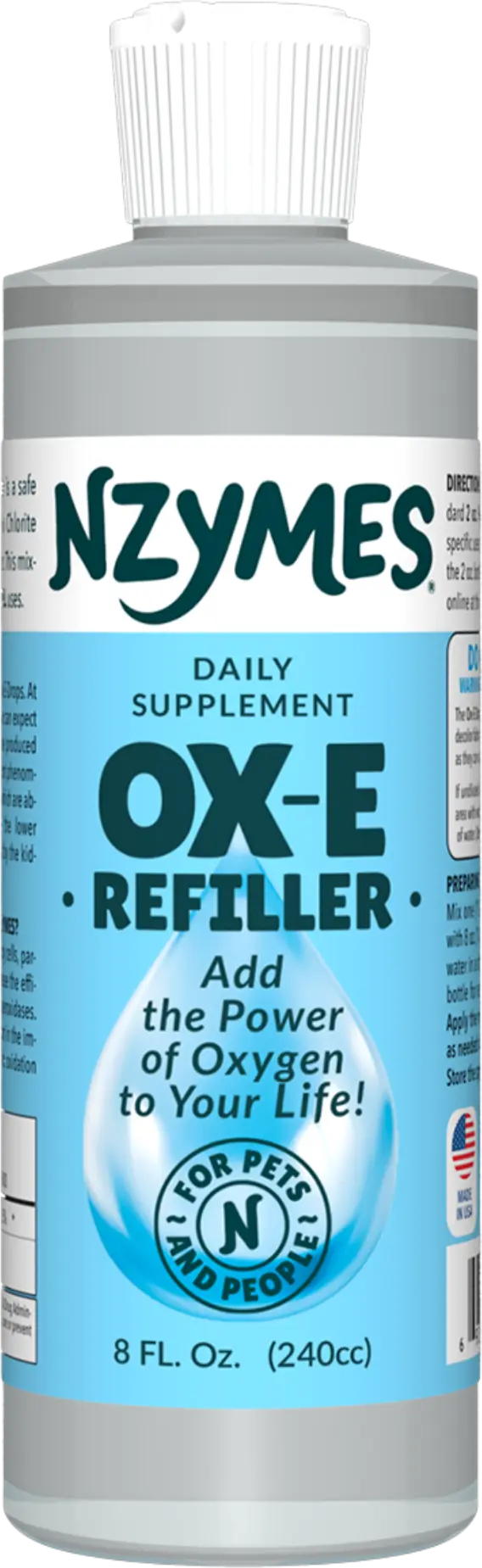
The center of the program, working orally and as breathable vapors. Between the two, a horse goes through far more than the 2 oz bottle was designed for; the 8 oz Refiller is the economical way to run it.
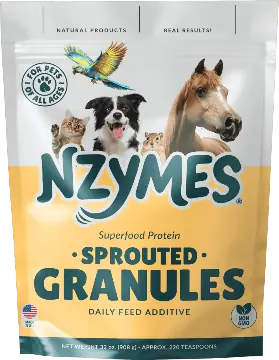
Live-food nutrition for a body with repair work to do. Doubling the amounts for the first two weeks matters with any comeback.
| 600 to 750 lbs | 3 level tsp |
| 750 to 1,000 lbs | 4 level tsp |
| 1,001 to 1,250 lbs | 5 level tsp |
| 1,251 to 1,500 lbs | 6 level tsp |
If antibiotics have been part of the treatment, and with respiratory trouble they often are, add Bac-Pak Plus to the daily feed. Antibiotics are hard on the gut's friendly bacteria, and this micro-encapsulated blend of probiotics and digestive enzymes supports healthier digestion and a more complete uptake of the nutrition your horse needs right now.
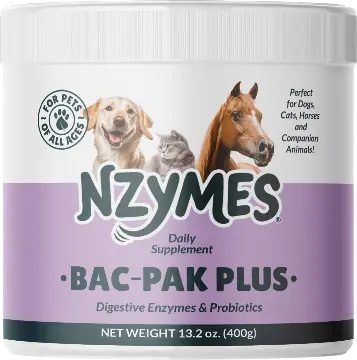
| 600 to 1,000 lbs | 2 to 3 scoops (1 g) |
| 1,001 to 1,250 lbs | 3 to 4 scoops |
| 1,251 to 1,500 lbs | 4 to 5 scoops |
Run the full program, especially the vapors, and give the body what it needs to make its comeback. Everything above is covered by the 120-Day Worry-Free Guarantee: up to four months to see the difference in your own horse.
You can't breathe for your horse.
You can take care of the air, and the body doing the breathing.
With a dog it's easy: a small room or a covered kennel keeps the vapors close. A horse asks for some creativity. Tent the head area, or use the smallest enclosure you can manage, such as a closed stall, so the vapors stay where the breathing is. However you solve it, this step matters; the vapors are a central part of the program, not an optional extra.
Yes. Respiratory trouble in horses often begins with an antibiotic regimen, and antibiotics are hard on the digestive system's friendly bacteria. In those cases we add Bac-Pak Plus, a micro-encapsulated blend of probiotics and digestive enzymes, to the daily feed to support healthier digestion and a more complete uptake of nutrients.
If your horse is laboring to breathe, call your vet right away; that is an emergency, not a question. For everything short of that, book a free consultation first and we'll walk you through what you're seeing, including whether a vet visit makes sense. The support program works alongside whatever care your horse is receiving.
The 8 oz Refiller. Between the daily oral doses and the vapors, a horse goes through far more than the 2 oz concentrate bottle was designed for, and the Refiller is the size that actually keeps up.
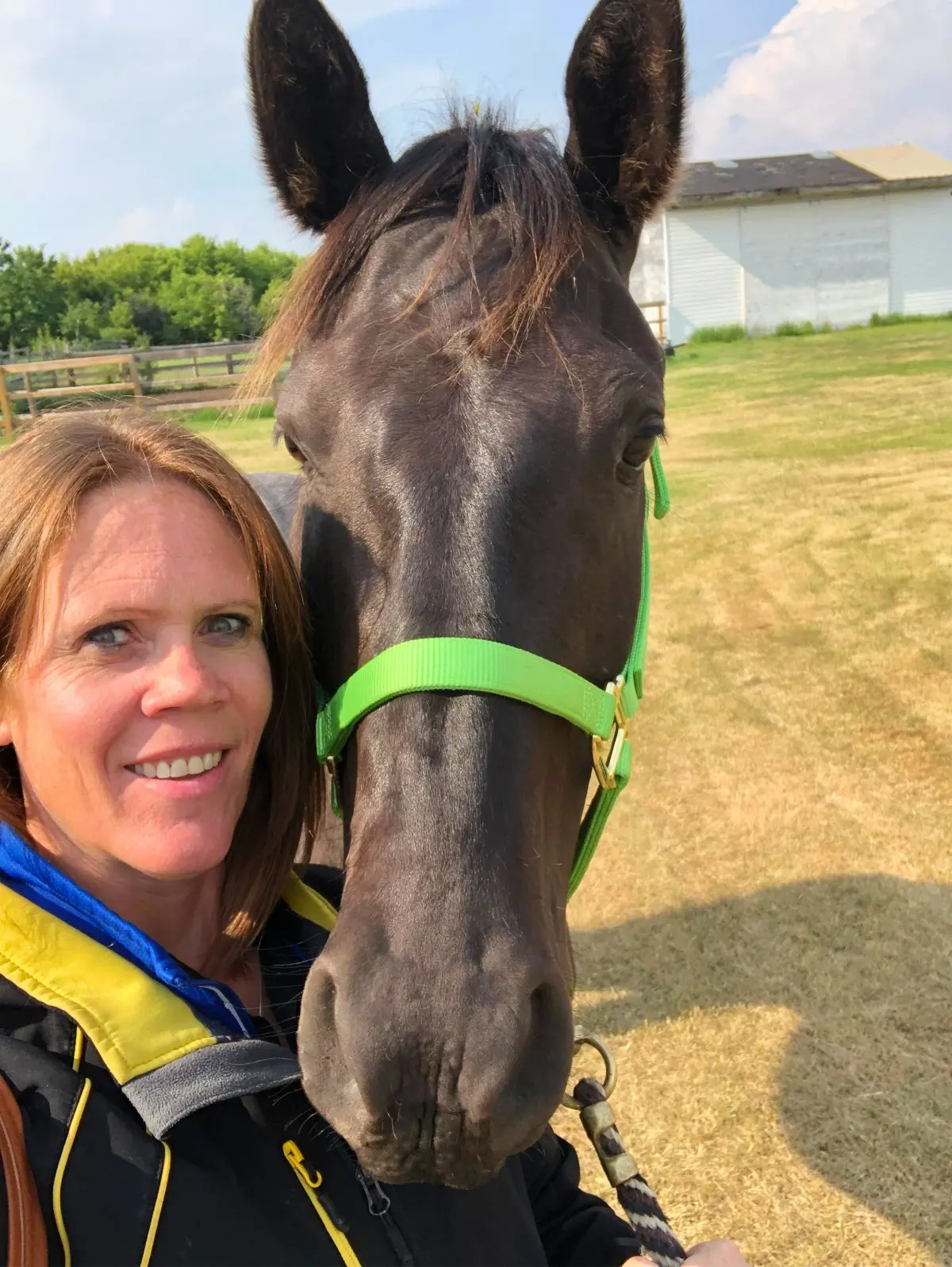
Kara is the equine specialist on our customer care team, and she keeps her own herd on a farm in Saskatchewan. Tell her what you're hearing, how long it's been going on, and what's been tried, and she'll tell you honestly where to start, including whether a vet visit makes sense. Read Kara's story →
The consultation is free, and it always will be.
1-877-816-6500 · Orders & quick questions