- Success Stories
- LearnThe Resource Library: guides, articles, stories
Looking for help with
Most searched
Also common
Everything else
Joints & mobility
Immune & breathing
Injury & recovery
Legs, hooves & joints
Gut & breathing
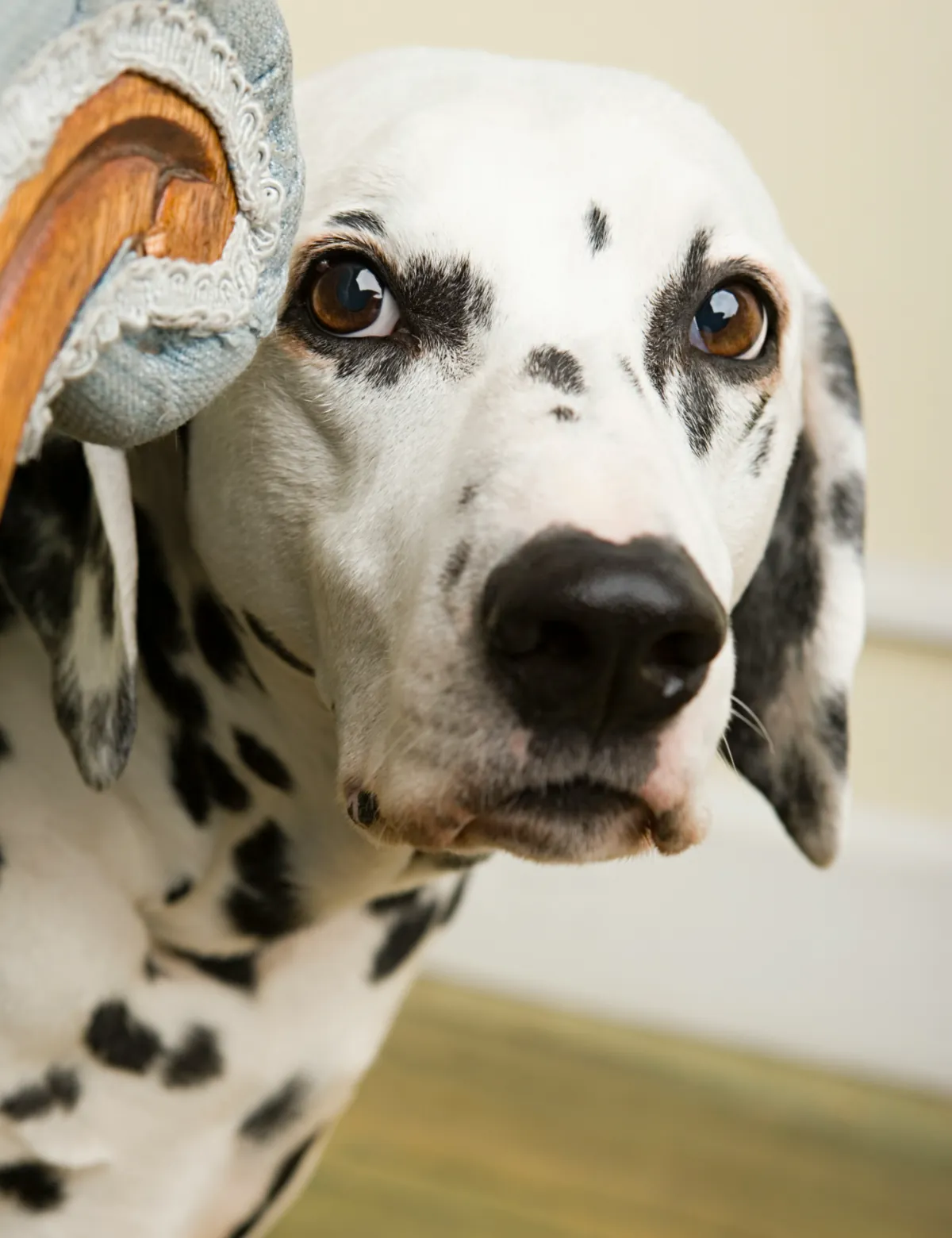
A dog dragging its bottom across the carpet is funny for about a second. Then you notice it keeps happening, and the smell. Here is what the glands are for, why they back up, and what usually fixes it.
Anal sacs are a pair of scent glands that sit just below the rectum, one on each side. When a firm, well-formed stool passes, it presses on the sacs and squeezes out a small amount of secretion onto the stool. That substance is a marker: it tells other dogs who was here. It is also why dogs greet each other the way they do.
In a healthy dog the system looks after itself. The glands empty a little every time the dog goes, and you never think about them. Problems start when they stop emptying.1
Scooting on its own is not an emergency. Swelling, blood, pus, or a dog that yelps when you touch the area is a vet visit, soon.
Most of the time it comes down to the stool. Many modern, processed foods lack insoluble (bulk) fiber. Without it the stool is softer and smaller, not enough pressure reaches the sacs, and they fail to empty. The fluid thickens, the gland becomes impacted, and the dog starts scooting to get relief.
Vets also see it more in small breeds, in dogs that are overweight, and in dogs with soft stools from any cause, allergies and chronic skin inflammation among them.1,2 If the glands are full often, it is worth asking why the stool is loose rather than just emptying them again and again.
Full or impacted glands are expressed by hand, a quick procedure that gives immediate relief. If a gland is infected, the vet may flush it and prescribe an antibiotic; an abscess may need to be lanced and drained. For dogs whose glands fill again and again, or who have had repeated abscesses, surgical removal of the sacs is an option vets discuss as a last resort.1,2
A word on doing it at home: most dogs never need their glands expressed, and emptying glands that are fine can irritate them. If your dog does need help, have the vet or a groomer show you first.
Manual expression relieves the pressure, but it does not stop the glands filling again. Adding bulk fiber to the diet can go a long way towards that. We recommend a little oat bran or oat beta-glucan mixed into the food. Because these draw moisture, add water to the meal as well so the extra fiber does not cause constipation. Firmer, bulkier stools do the job the glands were built for, every time the dog goes.
If the stool is soft for another reason, the food itself is the next place to look. Our recommended foods guide explains what to look for, and the digestion guide covers the wider picture.
Since 2014 this page has pointed families to the same three products: live-food enzymes and antioxidants in the bowl, and pH support from within. They don't empty the glands. What they do is support the digestion that produces a healthy, well-formed stool, which is what keeps the glands emptying on their own.
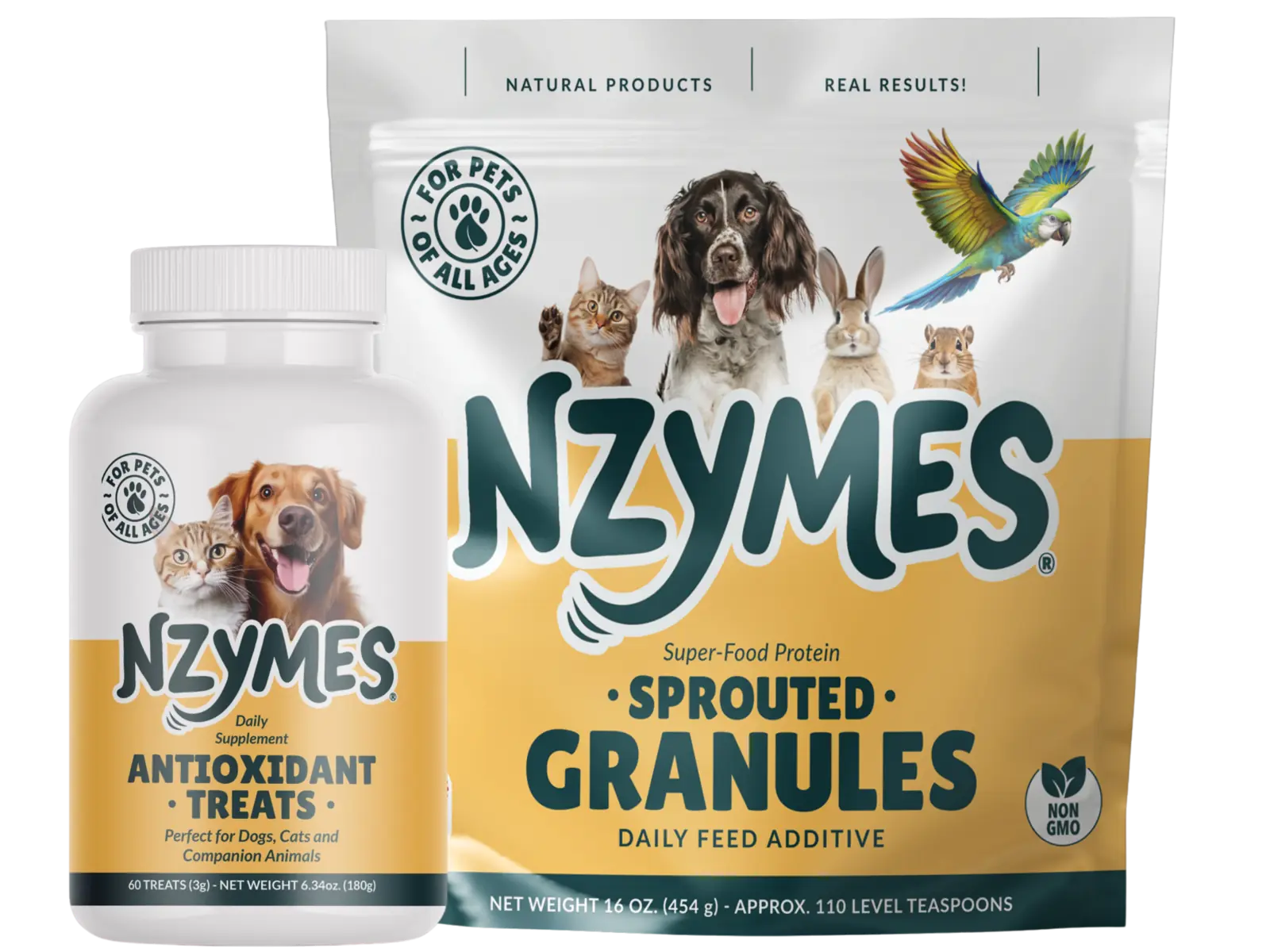 The Core FoundationSee the Core Foundation →Sprouted Granules in the bowl and Antioxidant Treats by hand: live-food enzymes and antioxidants, made from live sprouted soybean meal. Where every dog starts.
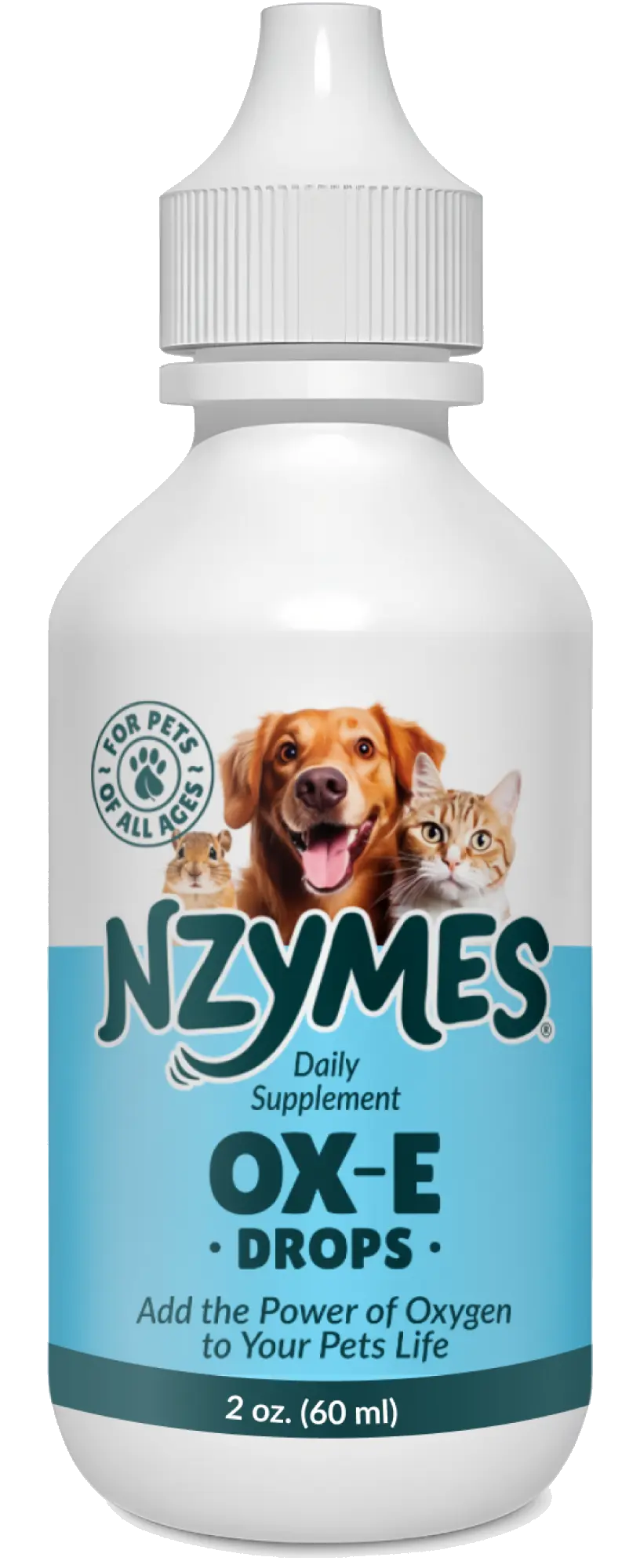 Ox-E DropsHighly alkaline, with a pH of 13: a few drops a day to support healthy pH and oxygen balance from within.
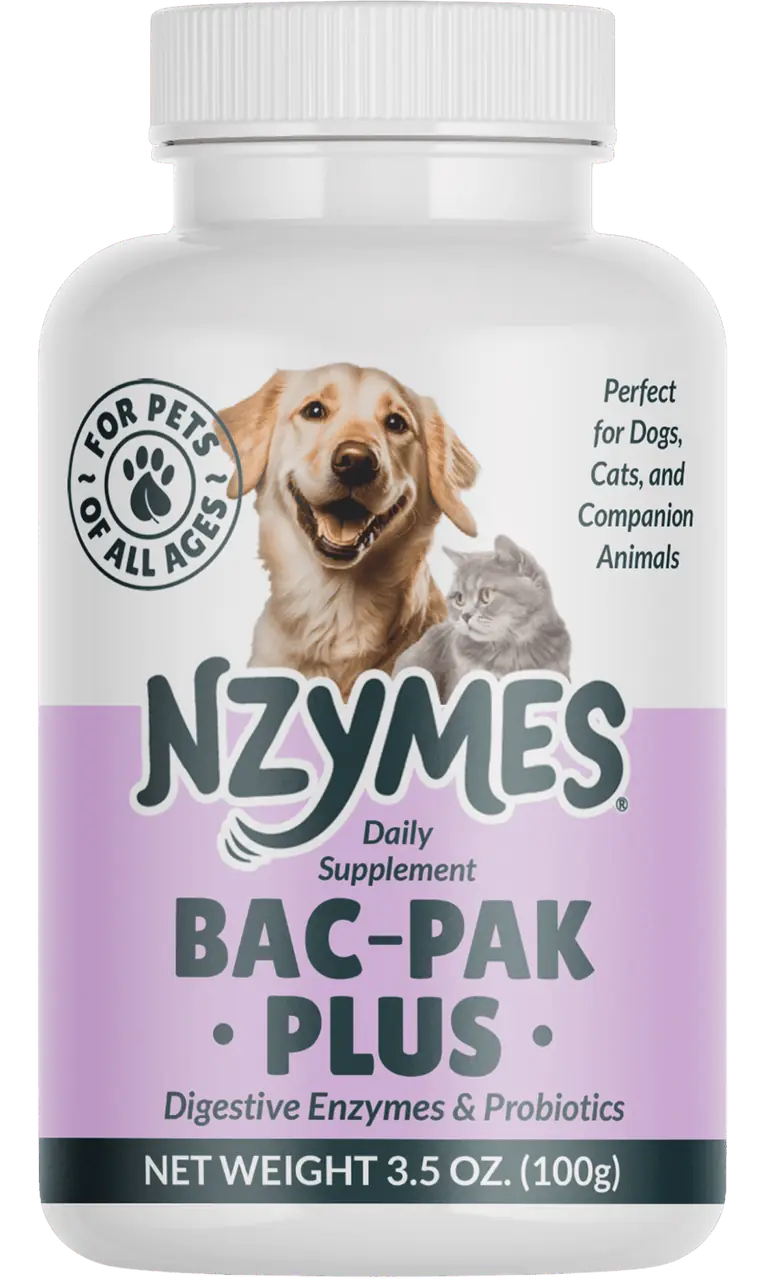 Bac-Pak PlusIf the stool stays soft: five live probiotic strains plus eight digestive enzymes to help the gut do its job.
Not sure whether it's the glands or the gut? Book a free consultation and tell us what your dog eats and what the stool looks like.
Scooting is most often a sign that the anal glands are full or impacted and the dog is trying to relieve the pressure. Licking or chewing at the rear and a strong fishy smell point the same way. Worms and skin irritation can also cause scooting, so a vet check is worth it if it keeps up.
If there is swelling, redness or heat beside the anus, blood or pus, obvious pain, or the dog will not let you near the area, see the vet. An impacted gland can become infected and abscess, which needs to be treated promptly.
Most dogs never need it; the glands empty on their own when a firm stool passes. If your dog does need help, let a vet or groomer show you how first. Expressing glands that do not need it can irritate them.
Often. Firmer, bulkier stools press on the sacs and empty them naturally. Adding bulk fiber such as oat bran or oat beta-glucan to the food, with extra water so it does not cause constipation, is what we have recommended for years, together with support for digestion overall.
Tell us what your dog eats, how often the glands fill, and what the stool looks like. We'll help you work out where to start.
The consultation is a scheduled half hour on Google Meet, so you get real time and real answers. It's free, and it always will be.