
- Success Stories
- LearnThe Resource Library: guides, articles, stories


Looking for help with
Most searched
Also common
Everything else
Joints & mobility
Immune & breathing
Injury & recovery
Legs, hooves & joints
Gut & breathing
Cauliflower-shaped growths in or around the mouth, multiplying fast, picked up wherever dogs play together. Cutting them off deals with the growth. It's the virus underneath that needs a stronger immune system. Here's how to recognize COPV and what to do about it.
Oral papilloma warts, the ones caused by COPV, look like little cauliflowers growing in or around your dog's mouth. Now and then they show up on the skin or around the face too. And they don't sit still: they tend to grow and multiply fast.
The virus behind them is contagious, and dogs pick it up wherever dogs gather: the park, the kennel, the groomer, anywhere noses and mouths meet. It travels by licking, sneezing, and shared saliva on toys and balls, and a dog with a sore or an opening in the skin gives it an easy way in. Young dogs whose immune systems are still growing up catch it most easily, but older dogs, and dogs whose immune systems are run down or held back by medication, are easy targets too.
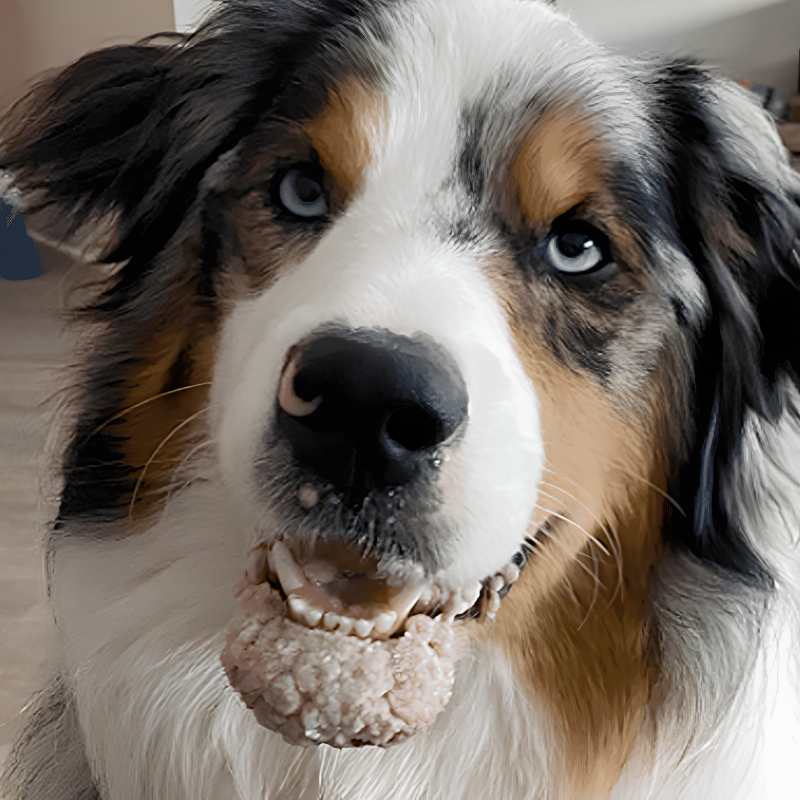
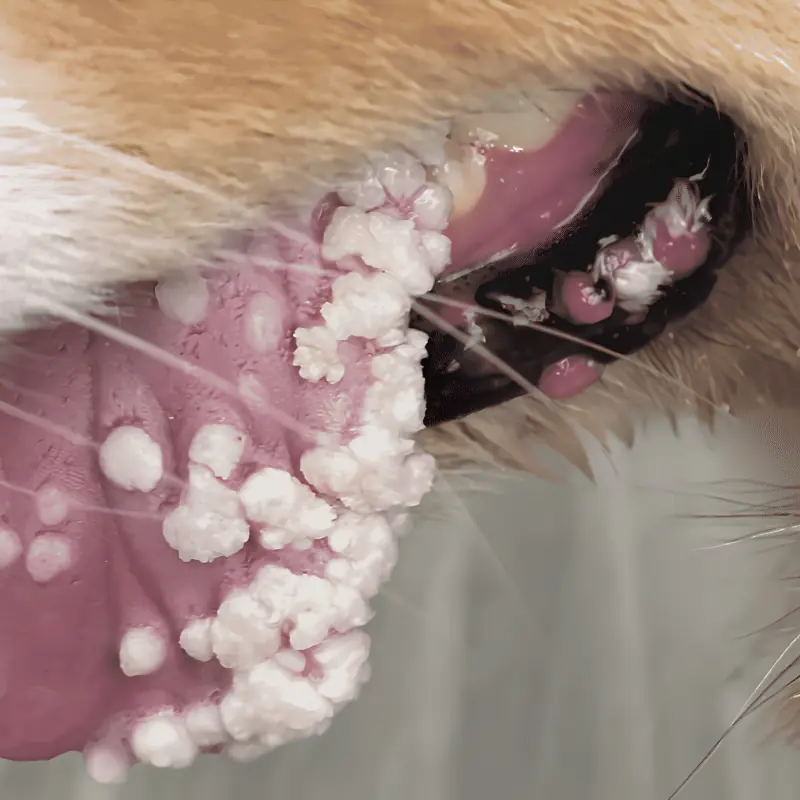
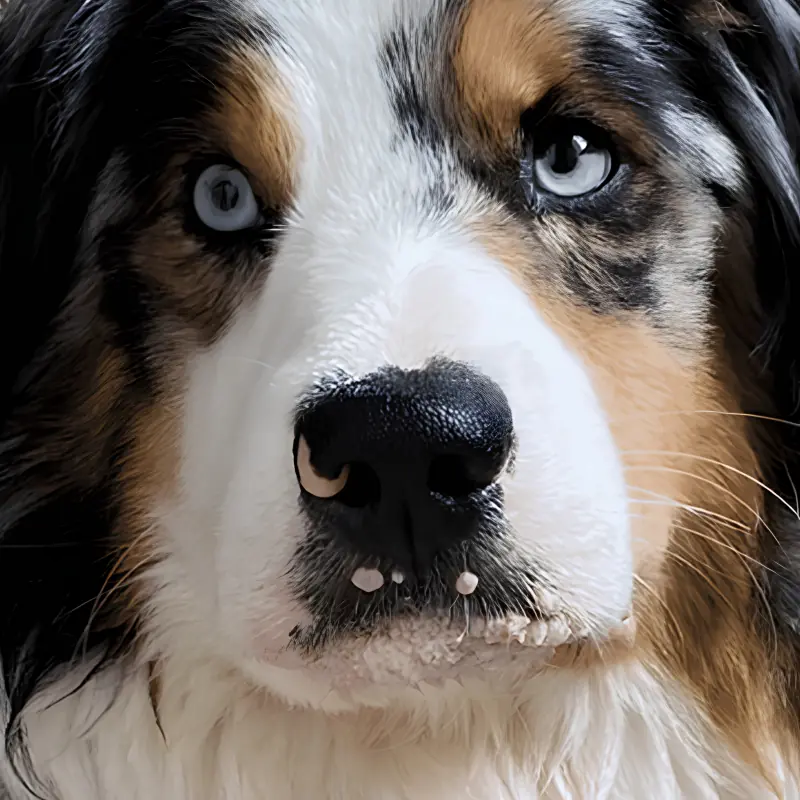
Obi-Wan's photos, shared by his family. His full story, through day 20, is here →
We hear about COPV far more than we used to, and the likely reason is a happy one: dog parks, doggy daycare, and group play are everywhere now, and dogs love them. A virus that travels by mouth has a much easier time in a crowd than in a living room. It's a trade most of us would make again. It just helps to know the risk that rides along with it.
Most vets will offer one of two things. Remove the growths, by cutting, freezing, or burning them off. Or "leave it alone and watch it," with the reassurance that the warts may go away on their own in six months or so.
Neither answer deals with the virus itself, which is why the growths so often come back. And neither accounts for what families tell us all the time: that the warts can spread fast around the mouth and tongue, and sometimes back into the throat, where things get serious quickly. A dog with growths in the throat can struggle to swallow.
Think of it as trimming a weed versus pulling a weed. Pull a weed root and all, and it's usually gone for good. Trim it flush with the ground, and it looks great for a while, but you already know it's coming back. Why? Because the root was left intact. The answer to COPV is not in simply trimming the papilloma warts off. It's in helping the immune system root it out.
That's what the Wart Support program is for. It's simple to follow, and it's built around the Wart Support Bundle: four products that back up the body's own fight against COPV, while bringing some relief to the growths themselves.
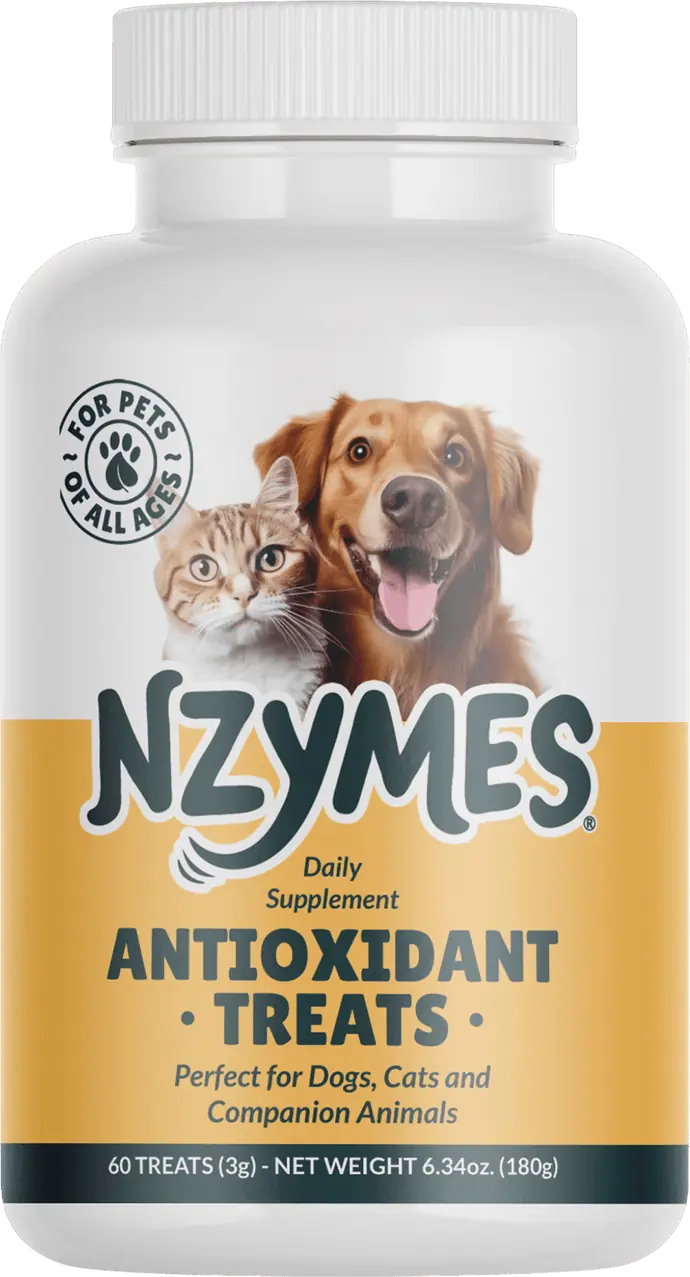
The daily shield. Live-food enzymes that help the body ramp up its own antioxidant defenses. Tiny Treats for small dogs.
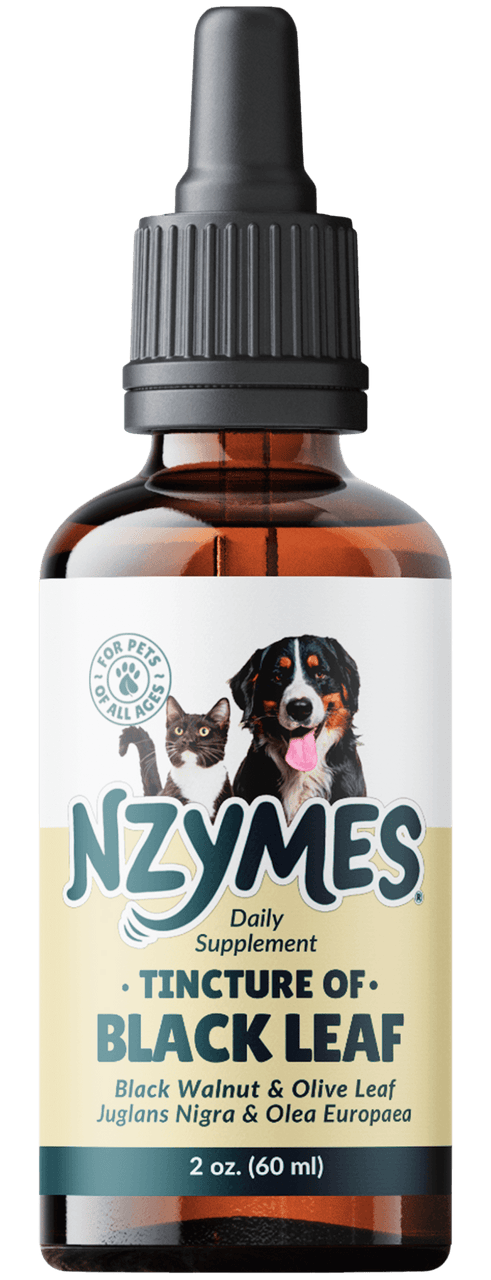
The herbal defense, given in food.
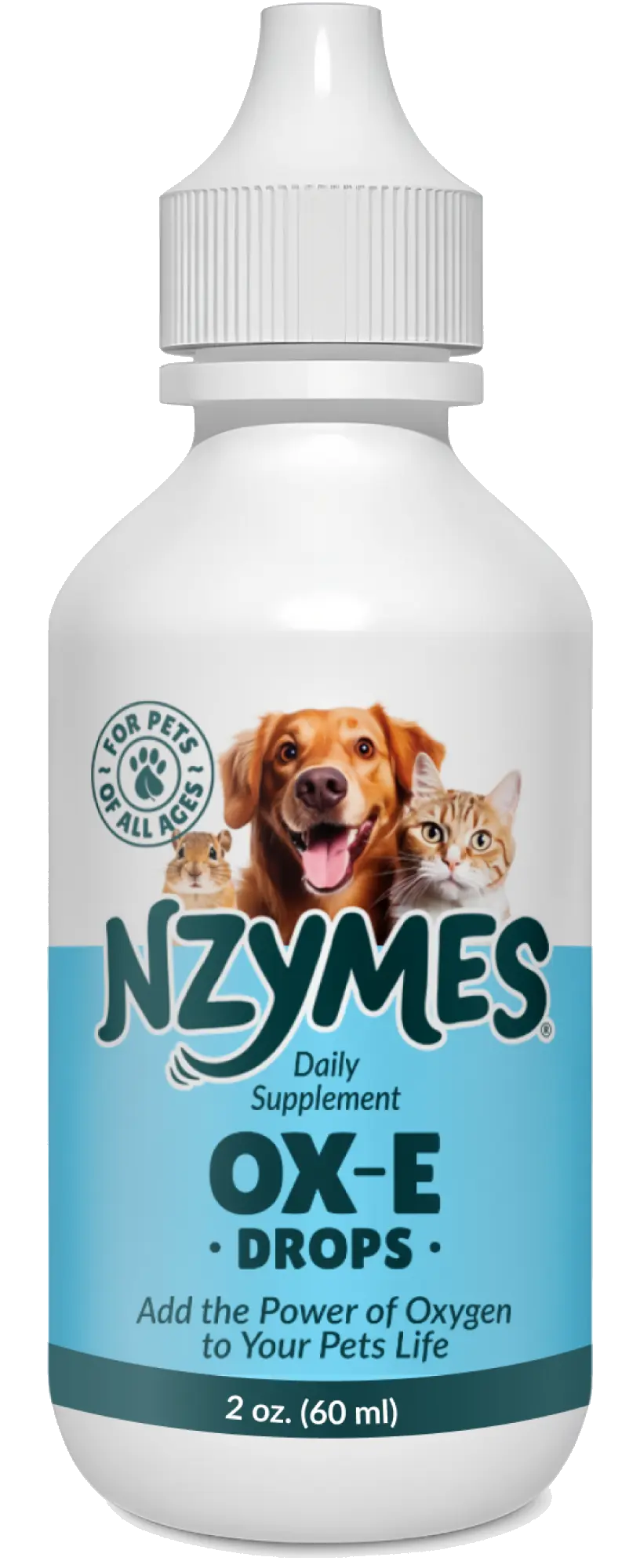
The quiet chemistry: a few drops diluted in water, in food or by oral syringe.
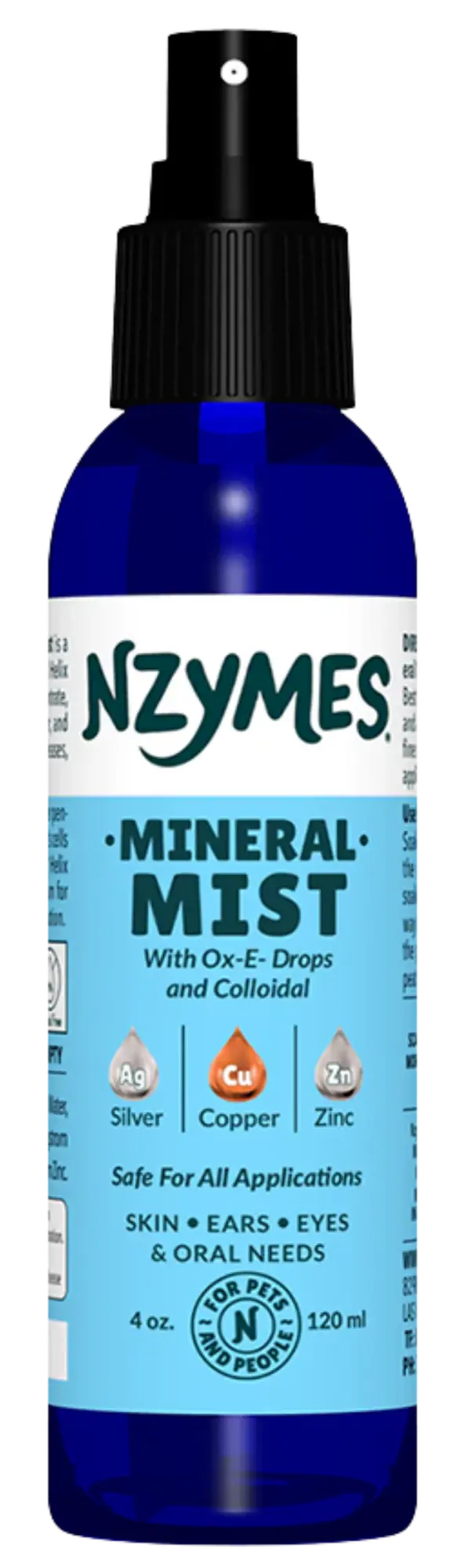
Relief on the spot, misted where the growths are.
An oral syringe also comes in the bundle to make dosing easy.
The bundle is safe and easy to use. A few minutes after you order, an interactive guide arrives in your inbox with the amounts by your dog's weight and how each piece is used. Every dog starts from a different place, so results vary, but most families report a one- to three-week turnaround. If you're not seeing good things happening in two to three weeks, don't wait and wonder: book a free consultation and we'll look at it with you. The families on this shelf photographed theirs, with dates. Just as important: don't stop when the warts do. Keep the support going for the weeks and months after, so the immune system stays strong and the virus doesn't find another opening. This all-natural program has helped many worried dog owners breathe a sigh of relief when faced with papilloma growths in their canine friends.
We ask every family to take photos along the way, and we're grateful when they do. It helps you, because change is hard to see when you look at the same mouth every day. And it helps the next family, the one searching at midnight for a dog that looks like theirs. Every dated photo on this shelf started that way.
Thank you for reading. If you're here because your dog has COPV, we understand, and we've been here with a lot of families before you. Everything we do goes after the root cause, and with COPV that root is an immune system that needs a hand. Give it one, and the body very often finishes the job itself. In a nutshell, that's what our products are for. Everything we make is covered by the 120-Day Worry-Free Guarantee.
Want to talk it through before anything else? Book a free consultation →
Trimming the weed leaves the root.
The immune system
is how you pull it.
Papillomas are the rough, cauliflower-textured growths, usually in clusters in or around the mouth, and usually in a young dog, a senior, or a dog on immune-suppressing medication. A smooth growth, one that keeps growing, or one that starts as an open sore is a different question, and that one is worth a vet's eyes. Send us a photo if you're unsure and we'll tell you honestly what it looks like to us.
That's your call to make with your vet, and we'll help you weigh it. What we want you to know first: removal addresses the growth, not the virus, so regrowth is likely, and open wounds in the mouth can give the virus more places to take hold. For most dogs, strengthening the immune system is the approach that lasts.
Most families report a one- to three-week turnaround, though every dog starts from a different place. The families on this shelf photographed their own timelines with dates on the pictures, so you can see real examples. Whatever the timeline, keep going for the weeks and months after the growths are gone, so the immune system holds.
Growths collecting in the throat can make swallowing difficult, and that's the one situation we don't want you to wait out. Book a free consultation and we'll walk you through it, including whether a vet visit makes sense right now.
We'd rather you didn't, at least not right away. The growths disappearing means the immune system caught up, not that the job is finished. Keeping the support going for the following weeks and months is what keeps the virus from finding another opening. When you're ready to step down, book a free consultation and we'll tell you what's actually needed, and nothing you don't need.
Keep reading on this shelf
5 Facts About Oral Dog WartsRead now Rylee's story: one wart became five, gone by week threeRead now
 Sara's story: told to wait six months. 90% smaller in three days on Nzymes.Read now
Warts are one of the calls we take most often. Whether you're still deciding, or you've started and something has you second-guessing, tell us where the growths are, how fast they're moving, and what your dog is taking, and we'll tell you honestly what it sounds like, including whether a vet visit makes sense.
The consultation is a scheduled half hour with the people who have walked hundreds of families through this, so you get real time and real answers instead of a rushed phone call. It's free, and it always will be.



.png)