
- Success Stories
- LearnThe Resource Library: guides, articles, stories


Looking for help with
Most searched
Also common
Everything else
Joints & mobility
Immune & breathing
Injury & recovery
Legs, hooves & joints
Gut & breathing
The vet visit, the ear drops, the cleaning, the relief. And then, a few weeks later, the head shaking starts again. If you're on your third or fourth round of this cycle, here's the part nobody has told you yet: the problem was never really in the ears.
You know the routine by heart at this point. The gunky buildup, the smell, the scratching. Another vet visit, another round of drops. It clears. It comes back.
...and back to the head shaking. The drops aren't failing you. They're just working on the wrong end of the problem.
The yeast causing all that havoc doesn't appear in your dog's ears out of thin air. What you're dealing with is Candida (yeast), and its home base is the gut, where a small amount lives naturally in every dog. In a healthy gut, large colonies of friendly bacteria keep it constrained.
of immune function is carried by those friendly bacteria colonies when they're present in healthy numbers. When they decline, the yeast expands into the space they held.
Antibiotics, steroids, stress, and starch-heavy food can all knock those colonies down. Once the yeast takes ground in the gut, its byproducts travel through the bloodstream and surface at the body's exits. And in our experience, over 25 years of these calls, the ears and the paws are almost always the first two places it shows.
Recurring infections, dark gunky buildup, that unmistakable sour smell, head shaking, and scratching at the ears. Often called an ear infection and treated locally, which is why it keeps returning.
Constant licking or chewing at the feet and lower legs, often with a Frito-like smell. If this is happening alongside the ear trouble, you're looking at one problem, not two.
These two together are the early-warning system. This is the easiest stage to turn it around. Our complete systemic yeast guide explains the whole picture →
When the gut imbalance underneath goes unaddressed, the usual next step is a diagnosis of allergies, followed by steroids and antibiotics. Those medications quiet the symptoms, and they also thin out the friendly bacteria even further. The yeast doesn't stay put in the ears.
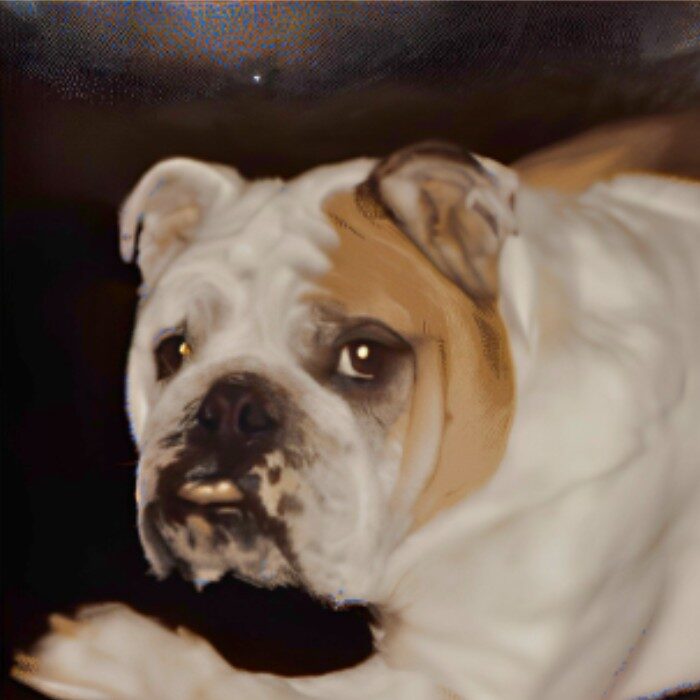
Savanna the bulldog went to the vet for yeasty ear infections and came out with steroid and antibiotic treatments. What followed spread far beyond her ears before her family found the way back.
Read Savanna's success story →We would love to hand you a single-product fix for yeasty ears. It doesn't exist, from us or anyone else, because the ears are only where the problem surfaces. Getting it resolved means working from both ends at once:
A gentle daily cleaning with a diluted Ox-E Drops solution keeps the ears comfortable and clean while the real work happens; the Skin Rescue guide covers exactly how to mix it. Prefer it ready to use? Ox-E Mineral Mist is the same solution, pre-diluted.
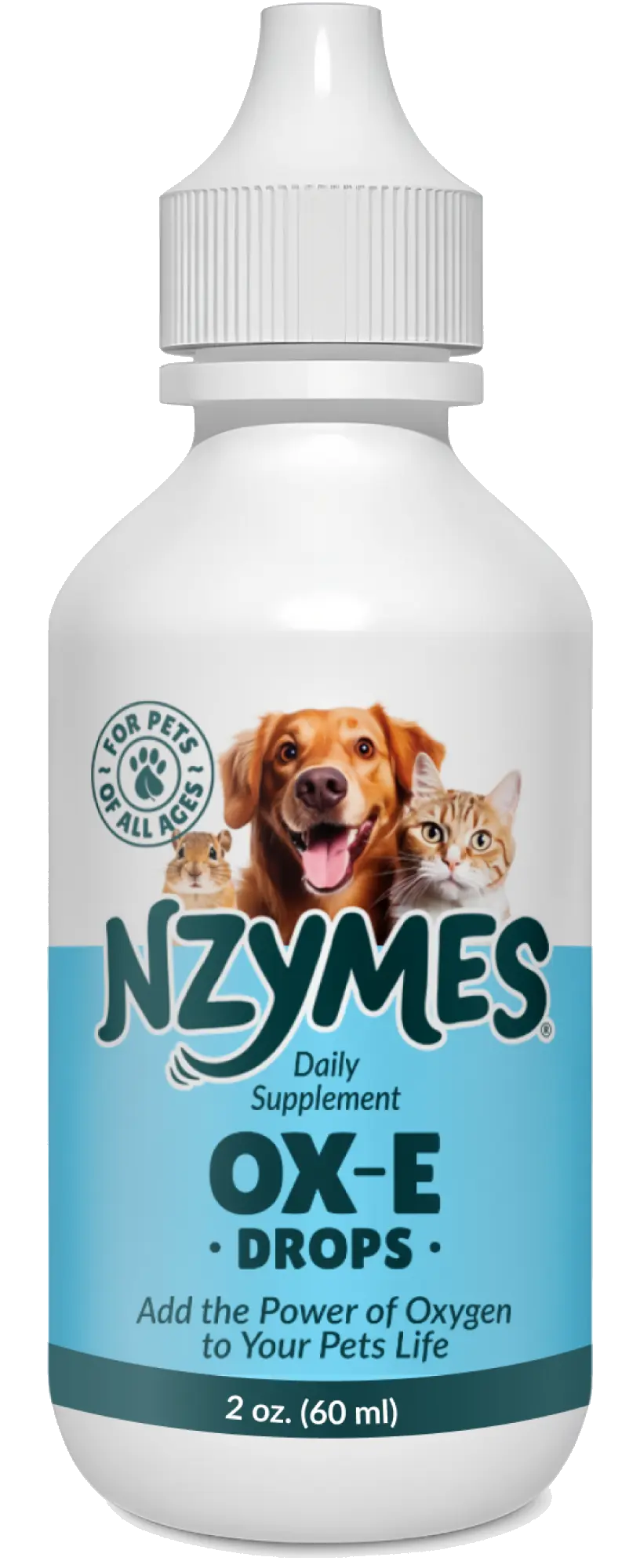
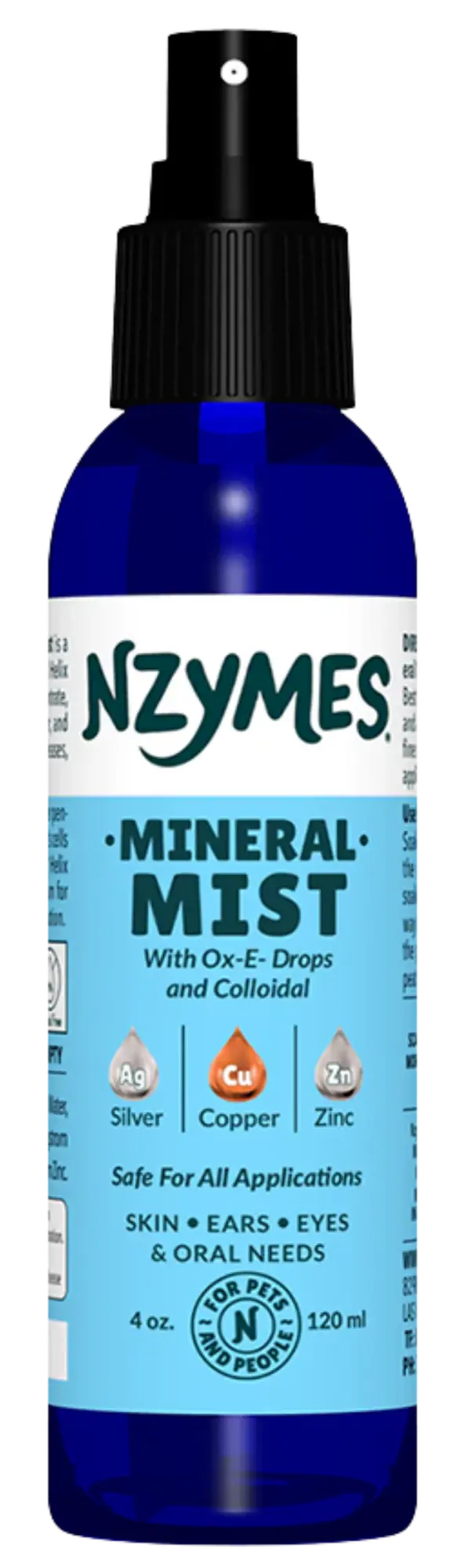
Restore the nutrition, counter the overgrowth, and rebuild the friendly bacteria. This is the inside work, and it's what keeps the ears from filling right back up.
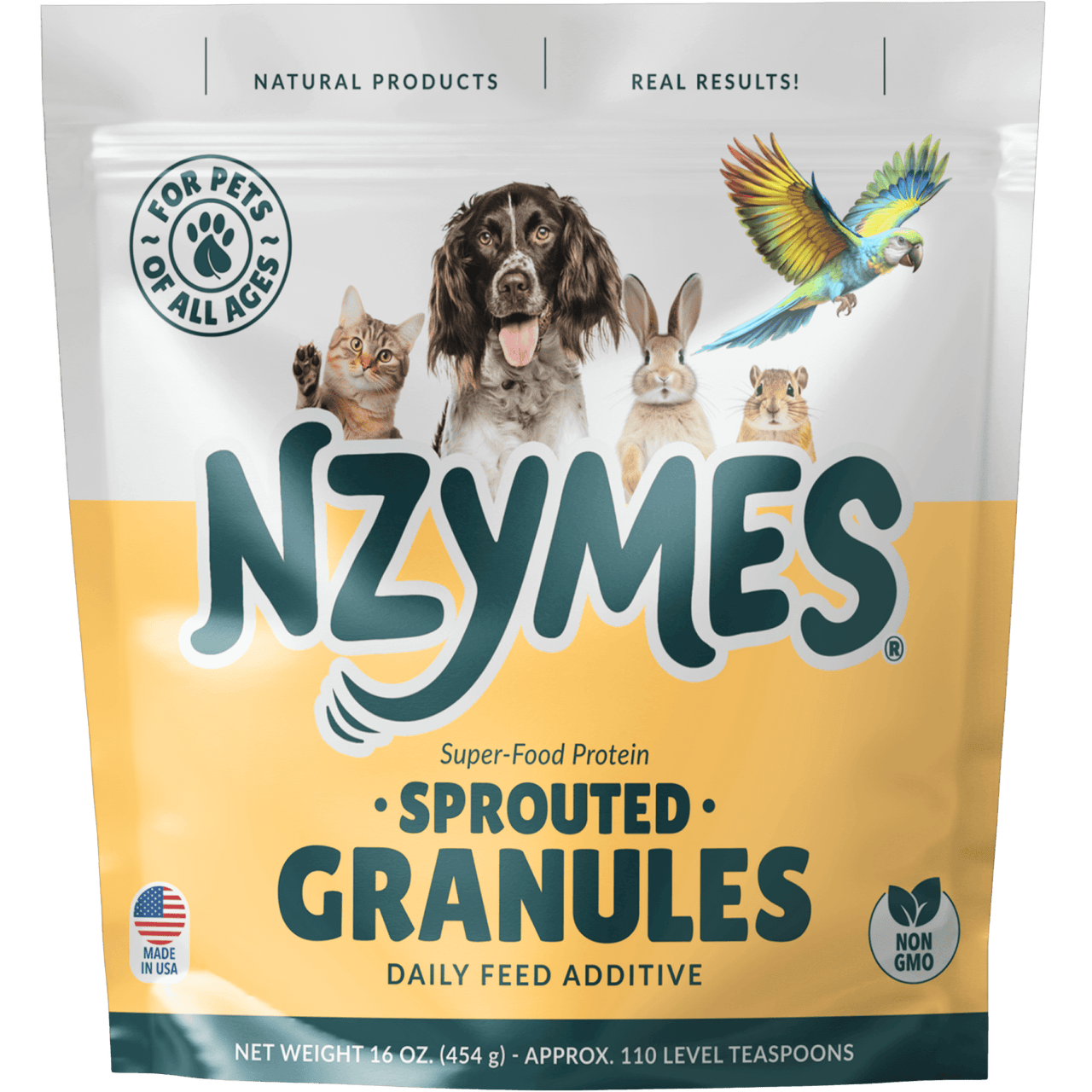
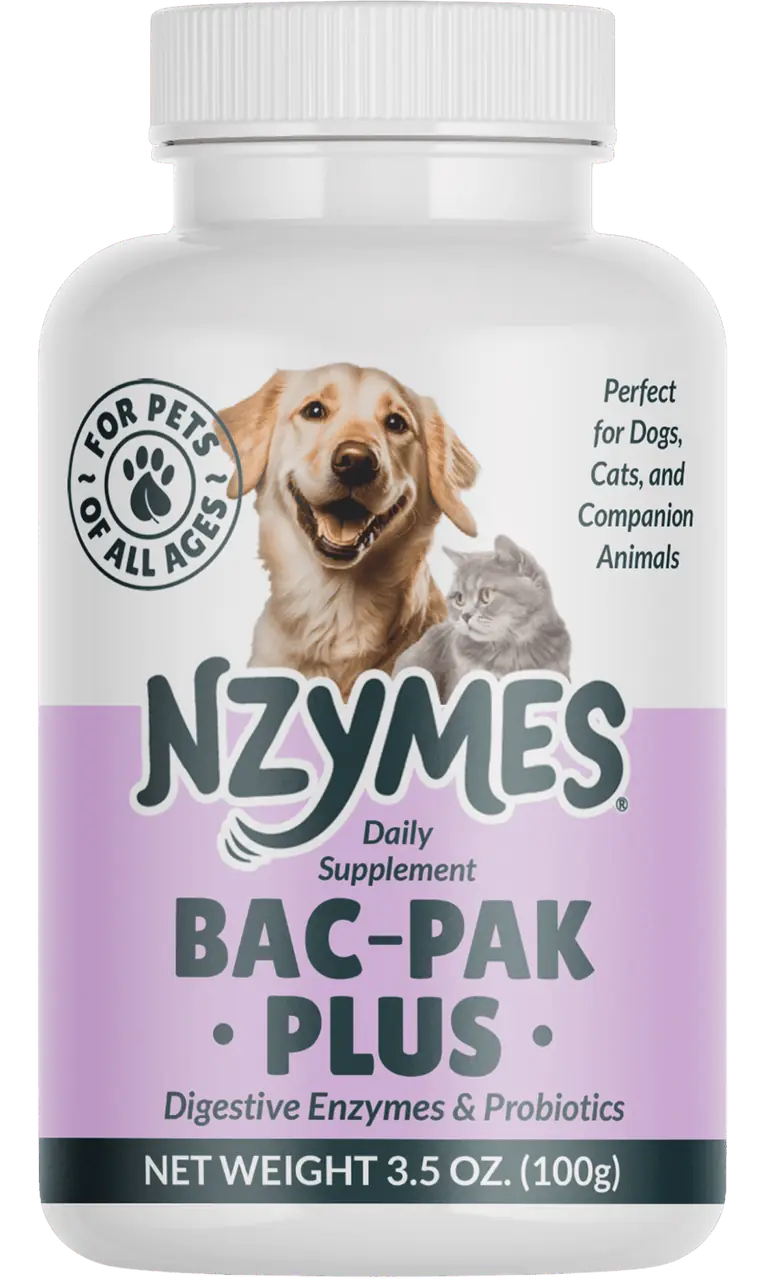
Yeast runs on sugar, and starch-heavy kibble is sugar to the body. Our recommended foods list shows you what to switch to.
Expect months, not weeks; honest timelines are on the full yeast guide. But families who work all three at once stop riding the drops-and-relapse merry-go-round.
Take care of the gut,
and the ears take care of themselves.
Ears and paws are the early warnings. The skin is the third exit, and in summer it has a name: the hot spot. That's the next guide.
Yeast is one of the toughest things we help families through, and recurring ears are usually where it starts. Tell us what you're seeing, how long it's been going on, and what your dog is taking, and we'll tell you honestly if the Skin Rescue program is the right fit, so you know what the road actually looks like before you start.
The consultation is a scheduled half hour with the people who know this protocol best, so your family gets real time and real answers instead of a rushed phone call. It's free, and it always will be.



.png)