- Success Stories
- LearnThe Resource Library: guides, articles, stories


Looking for help with
Most searched
Also common
Everything else
Joints & mobility
Immune & breathing
Injury & recovery
Legs, hooves & joints
Gut & breathing
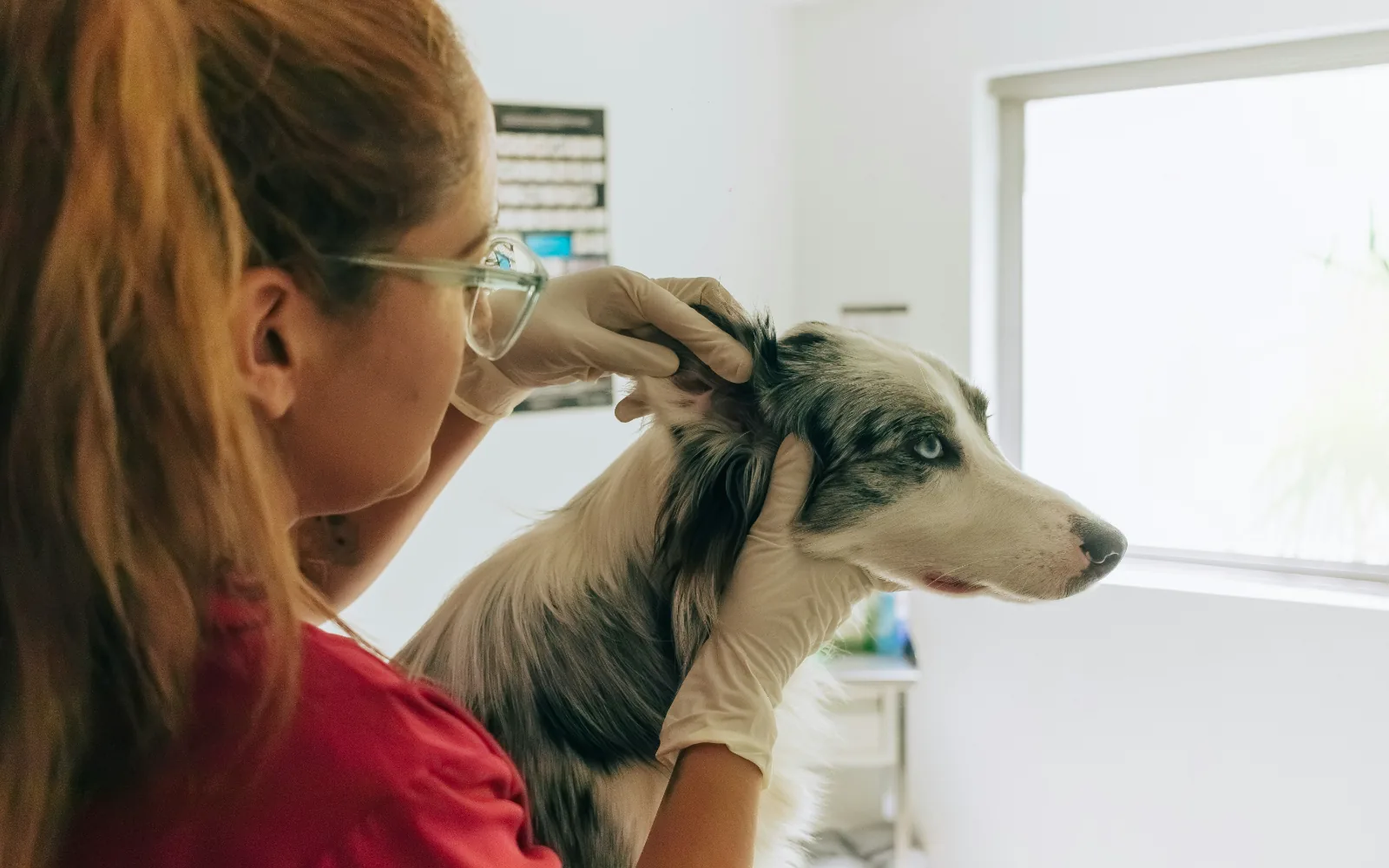
A soft, puffy ear flap, tender to the touch, on a dog who has been shaking his head for days. That is almost always an aural hematoma. Here is what it is, how vets treat it, and why the shaking is the part worth fixing.
A collection of blood under the skin of the ear flap: in plain terms, a blood blister. "Aural" just means of the ear, and the flap itself is the pinna. A small blood vessel between the skin and the cartilage breaks, and the space fills with blood and fluid until the flap feels soft and heavy, like a small water balloon.1 It is painful rather than dangerous, but it is common in dogs, far less so in cats, and it can be a serious matter to deal with, often involving surgery.
A blow to the ear can do it, but most of the time the damage is self-inflicted. Dogs with long, heavy ears slap them against the skull when they shake, and a dog with very itchy ears shakes hard and often. Others go after the itch with vigorous scratching instead. Either way, a hematoma is the predictable result, and the itch underneath it is the real story. What follows can include infection, a worsening ear canal, and foreign matter working its way in.
If it heals on its own, over weeks or months, the flap often ends up crinkled, shrunken and scarred: the cauliflower ear.1 An ear that becomes swollen, hot and clearly painful needs the vet promptly.
There is a range, from simple to surgical, and your vet will match it to the size of the swelling.2
Whichever route is taken, every veterinary source says the same thing: treat whatever is making the dog shake, or the hematoma comes back.2 That is where we come in.
In our experience, aural hematomas in dogs very often trace back to a yeast problem in the ears. Most systemic yeast infections begin in one of two places, the paws or the ears, and a yeasty ear is relentlessly itchy. Savanna, one of the worst yeast cases we have worked with, started with nothing but serious yeasty ear infections before rounds of steroids and antibiotics spread the problem across her whole body.
Address the yeast and the itch goes; stop the itch and the shaking stops; stop the shaking and the ear flap gets a chance to heal and stay healed. Our guides on the ear itself:
Both dogs went on to full-body yeast problems before their families found the root cause. Read how it went.
The Skin Rescue Program is built for yeast, wherever it shows: skin, paws or ears. It rebuilds the gut and the body's own defences from the inside so the yeast loses its foothold, and the itch, the shaking and the ear damage that follows have a chance to stop for good. The hematoma itself is the vet's job; keeping the next one from happening is ours.
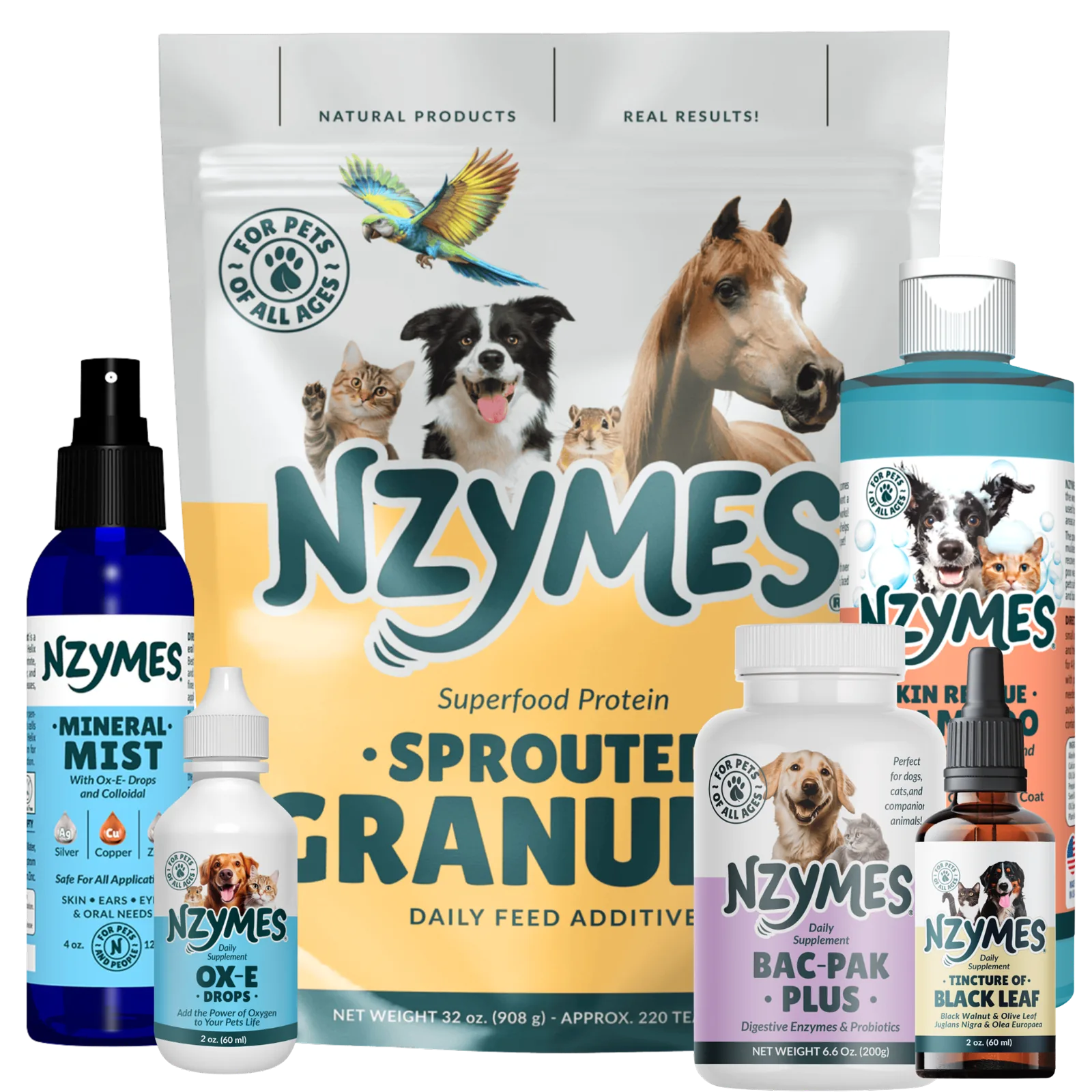 The Skin Rescue ProgramSee the Skin Rescue Program →Our complete approach to yeast in dogs: live nutrition, probiotics, Ox-E Drops and the bathing routine, for skin, paws and ears.
Not sure if yeast is behind your dog's ears? Book a free consultation and tell us the history.
A soft, fluid-filled swelling on the inside of the ear flap, like a small water balloon under the skin. The ear is often tender, and the dog usually shakes or scratches at it. It can partly block the ear canal.
Sometimes, over several weeks to months, but it is uncomfortable the whole time and usually heals into a thickened, crinkled ear (cauliflower ear). Most vets recommend treating it, and always treating whatever is making the dog shake.
Options range from draining the fluid with a needle (often with a steroid injection into the pocket) to placing a drain, to surgery that opens the flap, removes the clot and stitches the layers back together so it cannot refill. Whichever is used, the underlying ear problem has to be treated or it comes back.
Because the hematoma is almost always self-inflicted by head-shaking, and the most common reason a dog shakes its head is an itchy, yeasty ear. Most systemic yeast problems begin in the ears or the paws. Address the itch at its source and the shaking stops.
Tell a member of our team how long the ears have been bothering your dog and what has been tried, and we'll help you work out where to start.
The consultation is a scheduled half hour on Google Meet, so you get real time and real answers. It's free, and it always will be.